Practical information
Visas, border crossings, cash, SIM cards, getting between cities — where the plan is built.
145 Practical
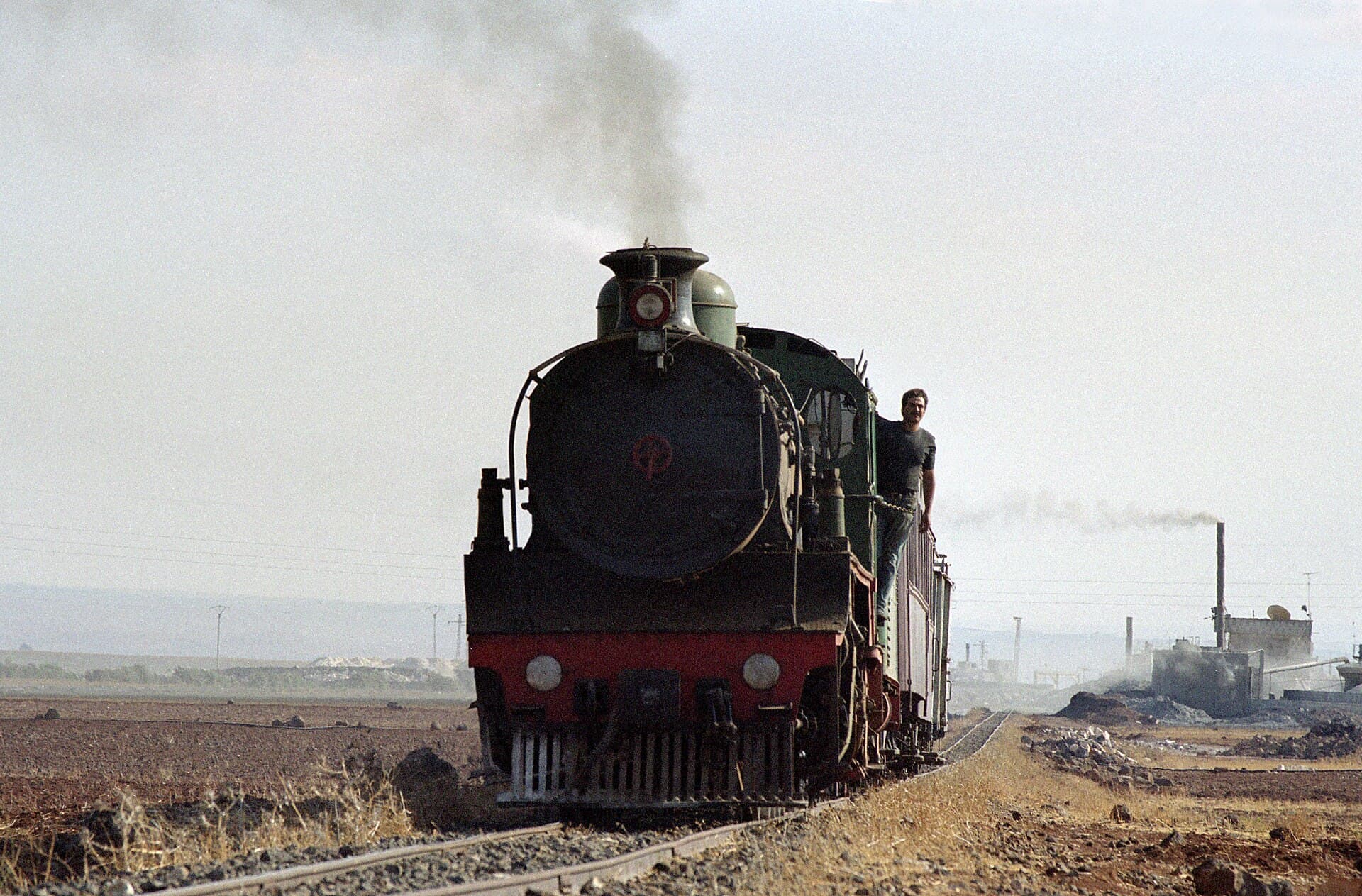
Railway heritage in Syria: the Hejaz line and the Baghdad railway
Three networks, two track gauges and stations that mostly stand empty. What was built when, what still runs today, and which station is worth the walk.
Weddings, condolences and Eid: what to do if you walk into one
The zaffe procession, the condolence tent, the morning of Eid and the visit to the graves. How to stand in these moments, and what to do if you are asked in.
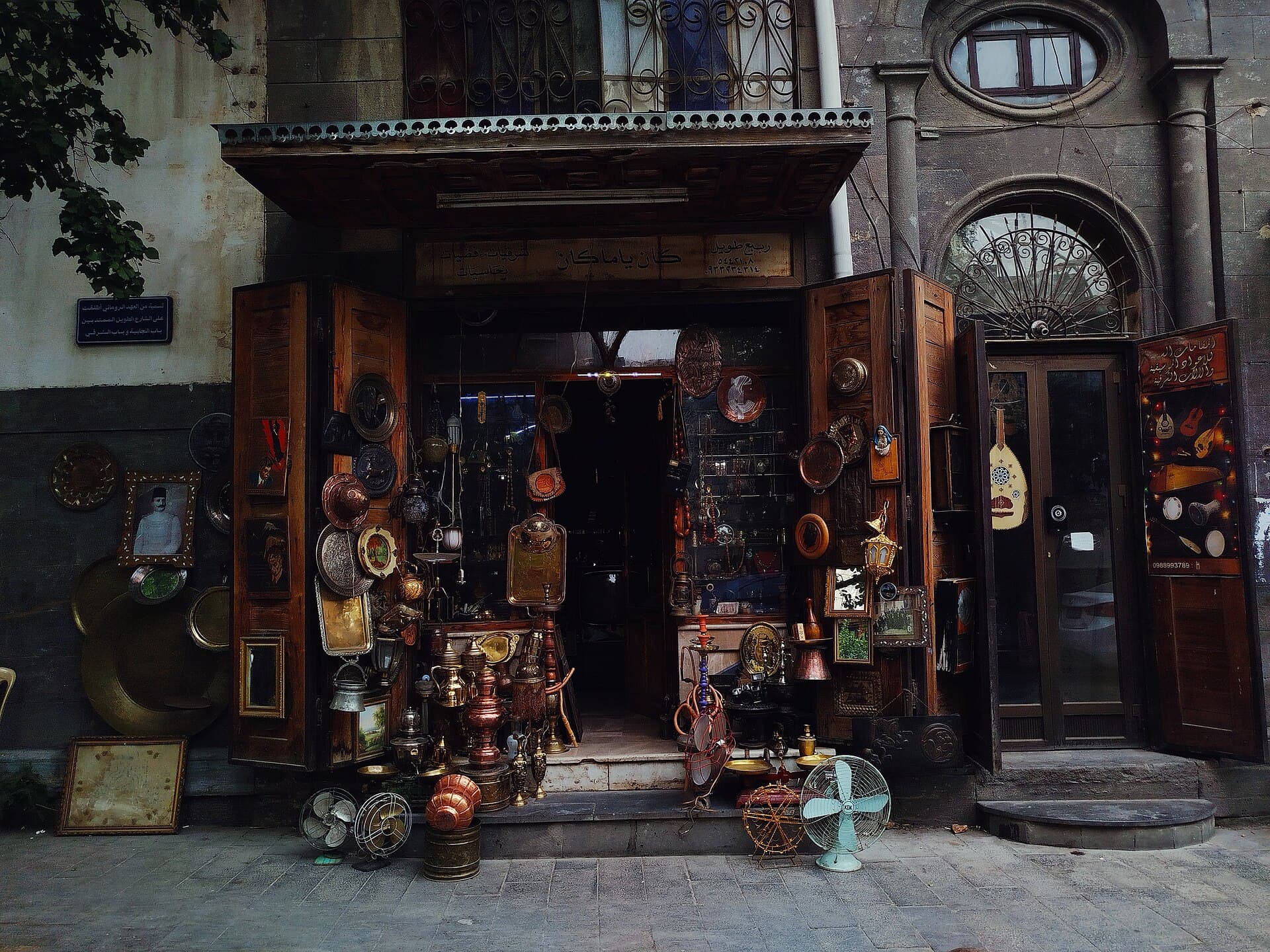
Judging quality at the stall
Do the pistachios rattle, has the za’atar been padded out, does the oil catch at the back of the throat, does the rug read from behind. Tests done by hand.
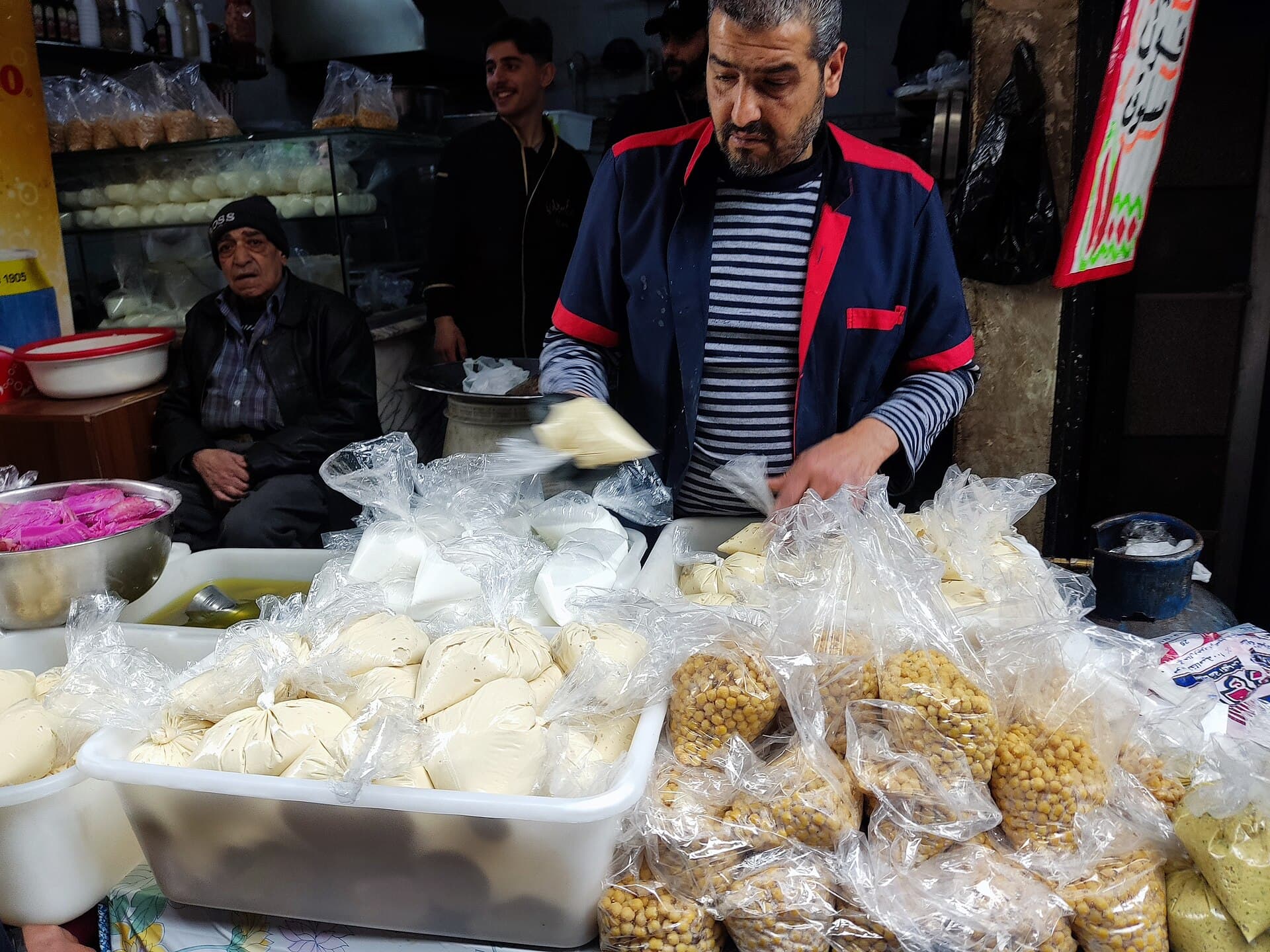
Breakfast in Syria: where, when and what
The ful shop is full by eight and the pot is empty by noon. Damascus starts on fatteh, Aleppo on a sweet, the coast on mate. Where to go and what to order.
Evenings: when the streets fill up
The market shuts as the street opens, and the sweet shop becomes the busiest door of the night. Where the evening happens city by city, and when it ends.
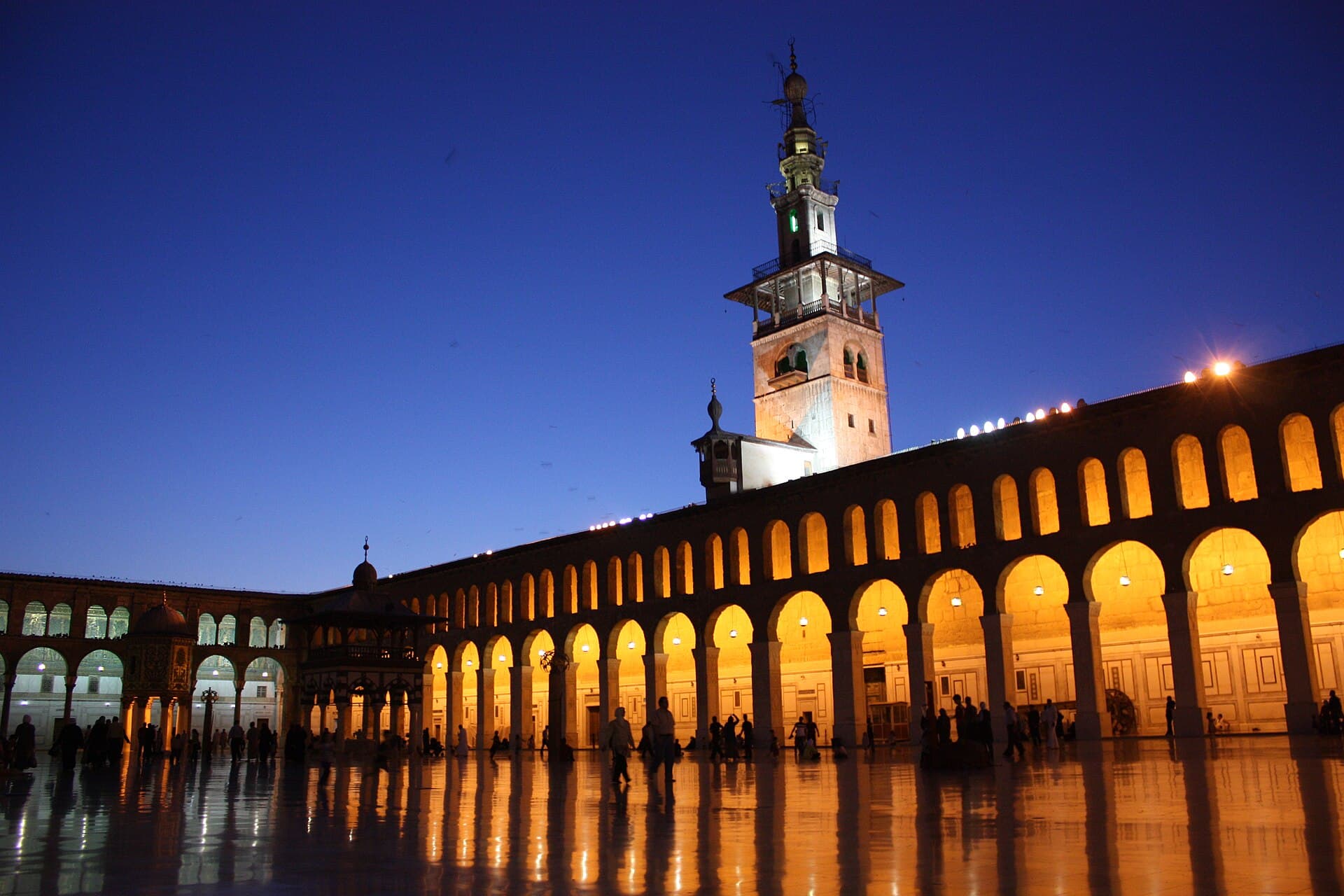
One month in Syria: a frame for slow travel
Thirty days across five regions: seven around Damascus, four in the south, five in the centre, five on the coast, six in the north, three in the desert.
The gates of old Damascus
The Roman wall had seven gates and each was tied to a planet. Most of what stands today is Ayyubid work. Where each one is, which to enter by, what to look for.
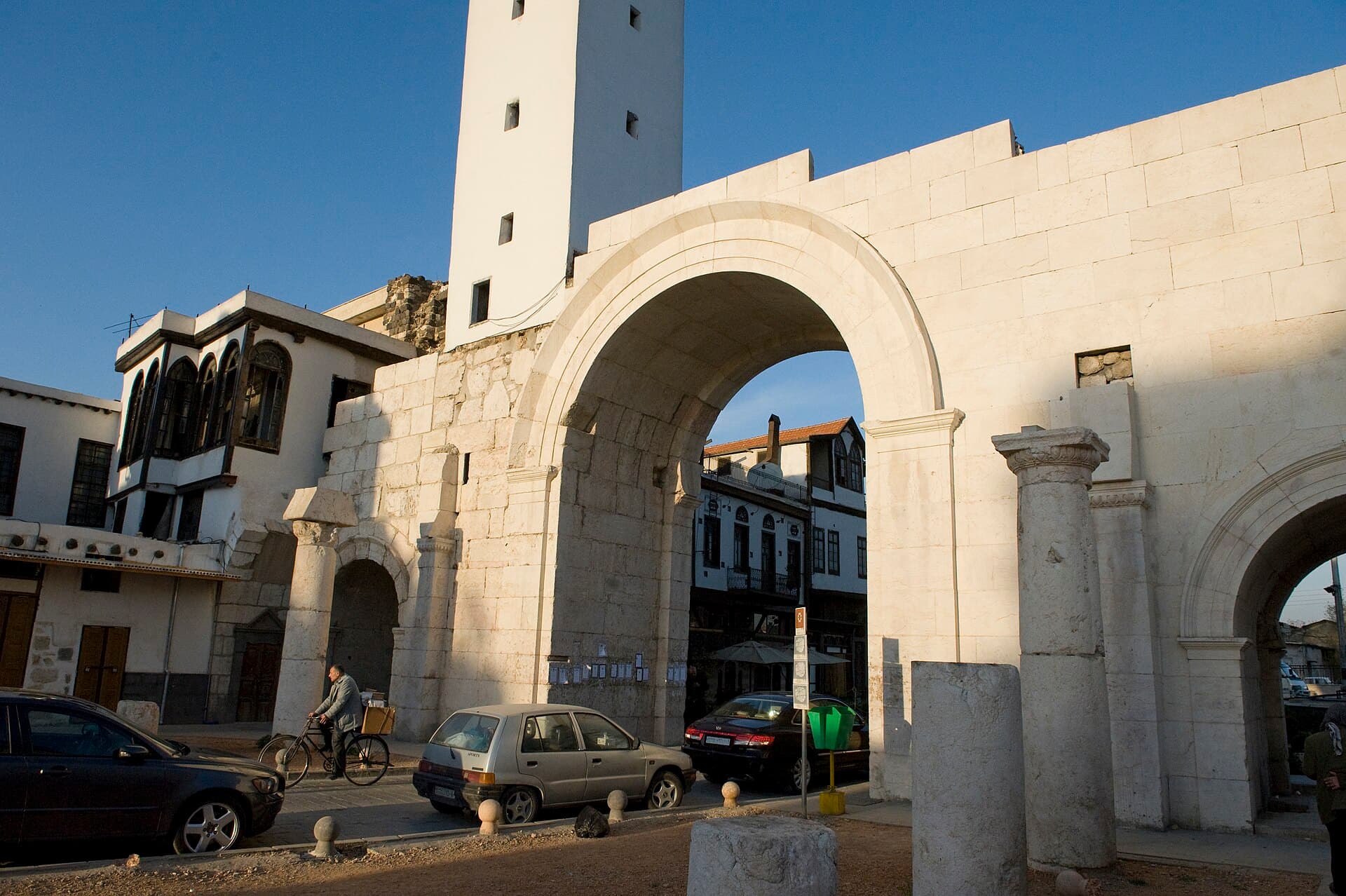
The gates and walls of Aleppo
Five of the old city’s nine gates still stand, and each did a different job: one opened into the souq, one onto the ironmongers, one onto a ceremonial road.
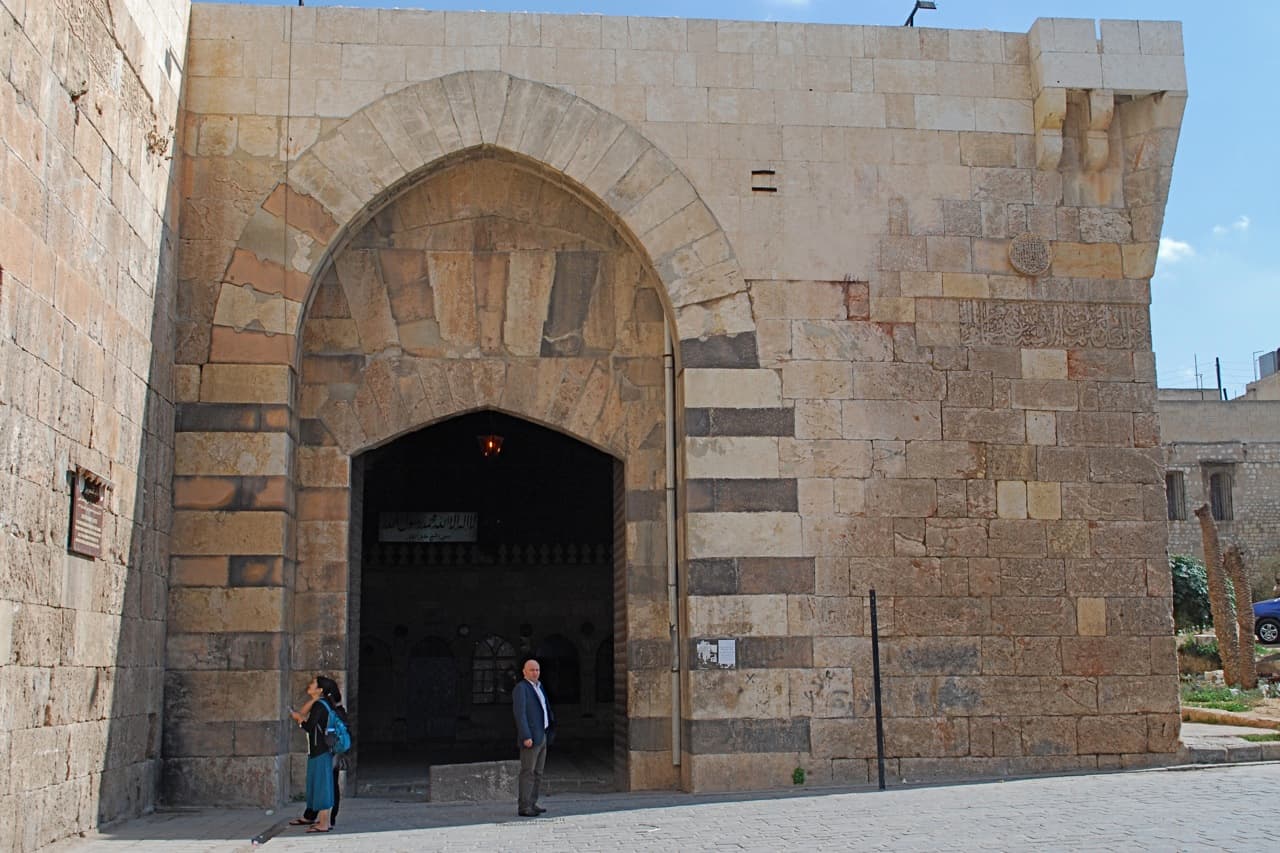
Khans of Syria: the architecture of trade
Storage below, merchants’ rooms above, a courtyard in the middle. The khans of Damascus and Aleppo repeated that one plan for centuries, and some still work.
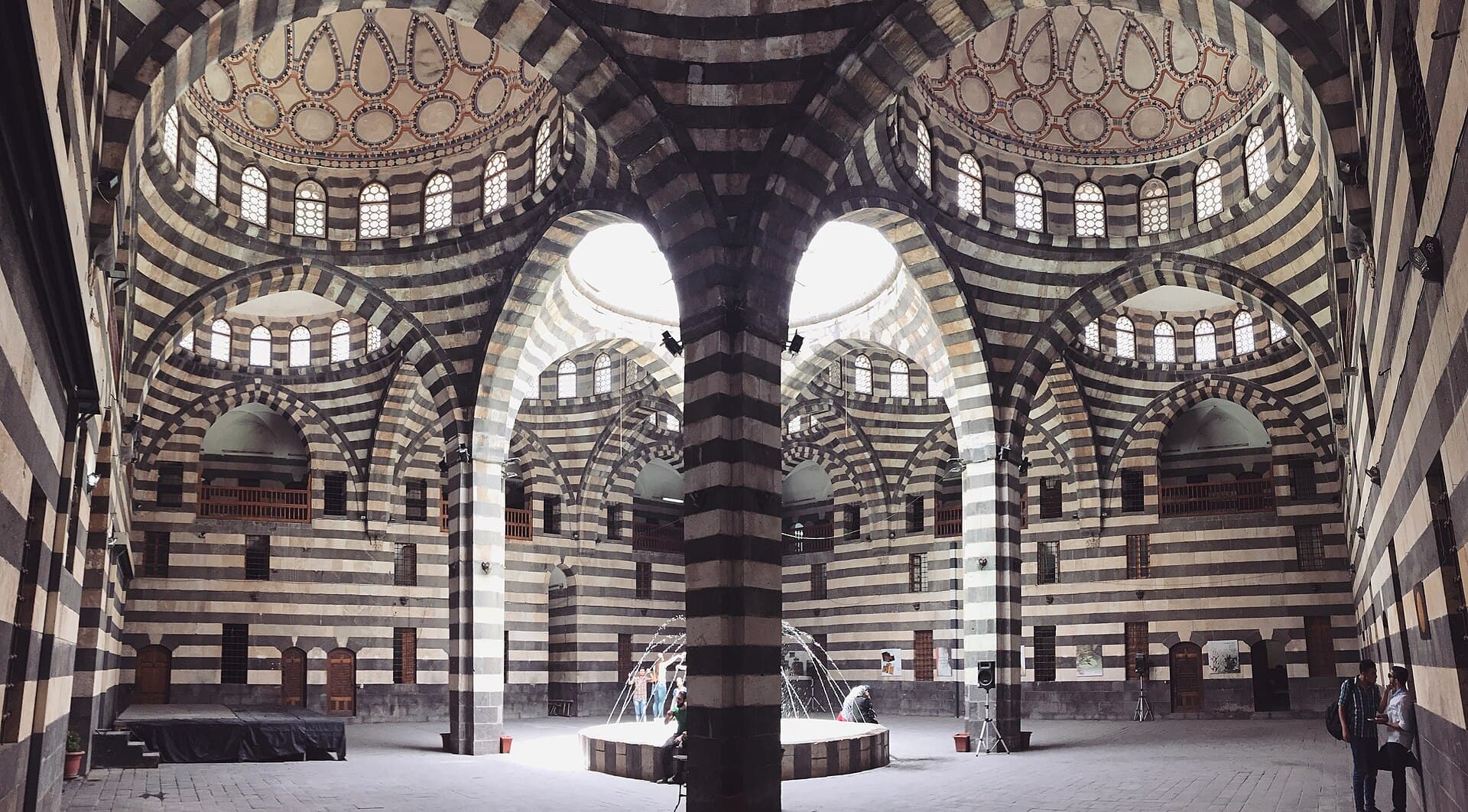
Madrasas in Syria: who built them, what survives
A madrasa was a school, but very often a grave stood in the same courtyard. The Zengid, Ayyubid and Mamluk eras can be read stone by stone in these buildings.
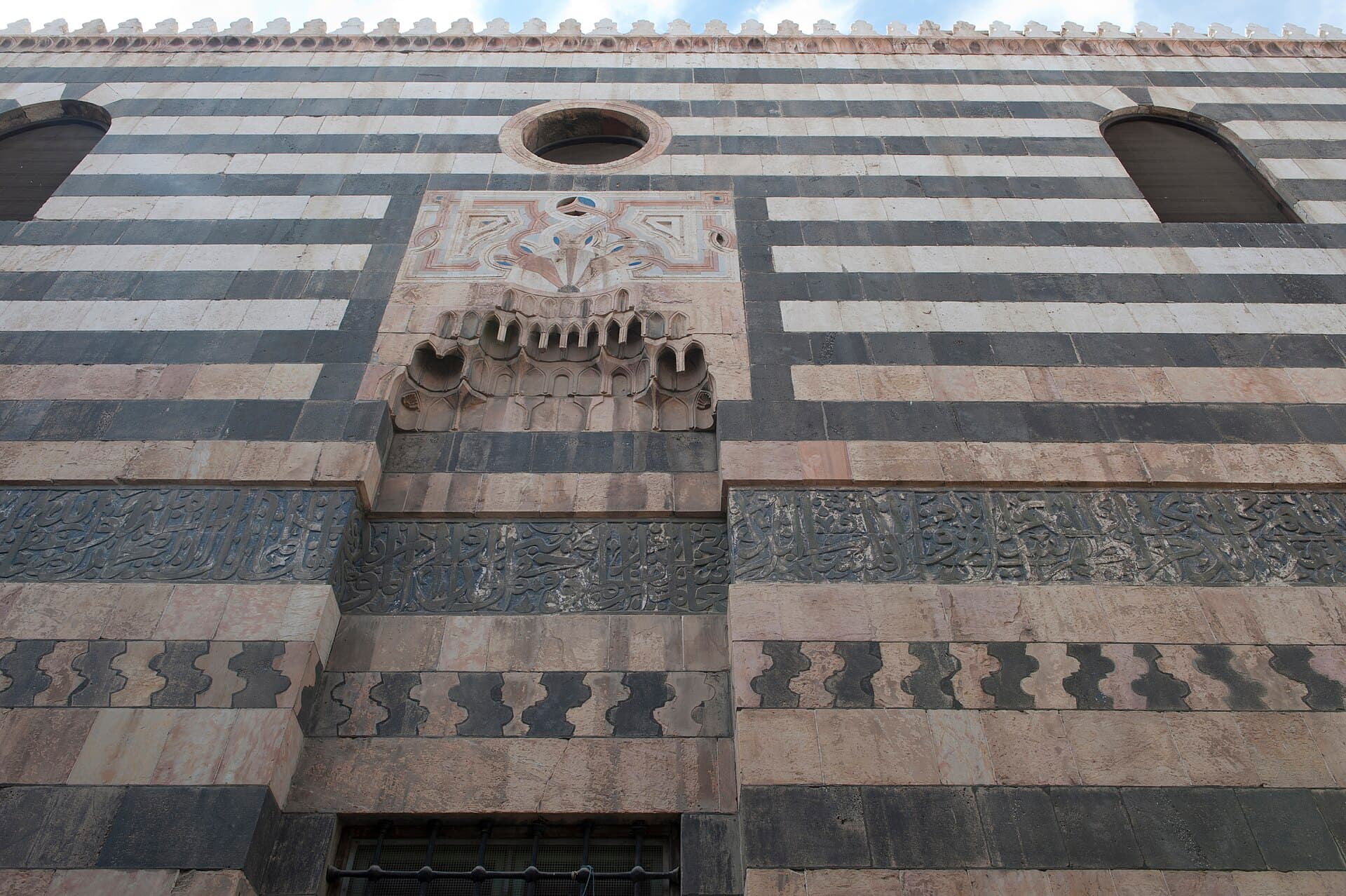
Hammams in Syria: which ones are standing
Some are still working baths, some were repaired and reopened, and one is a roofless ruin. Which hammam is in which state, and what to ask before you go.
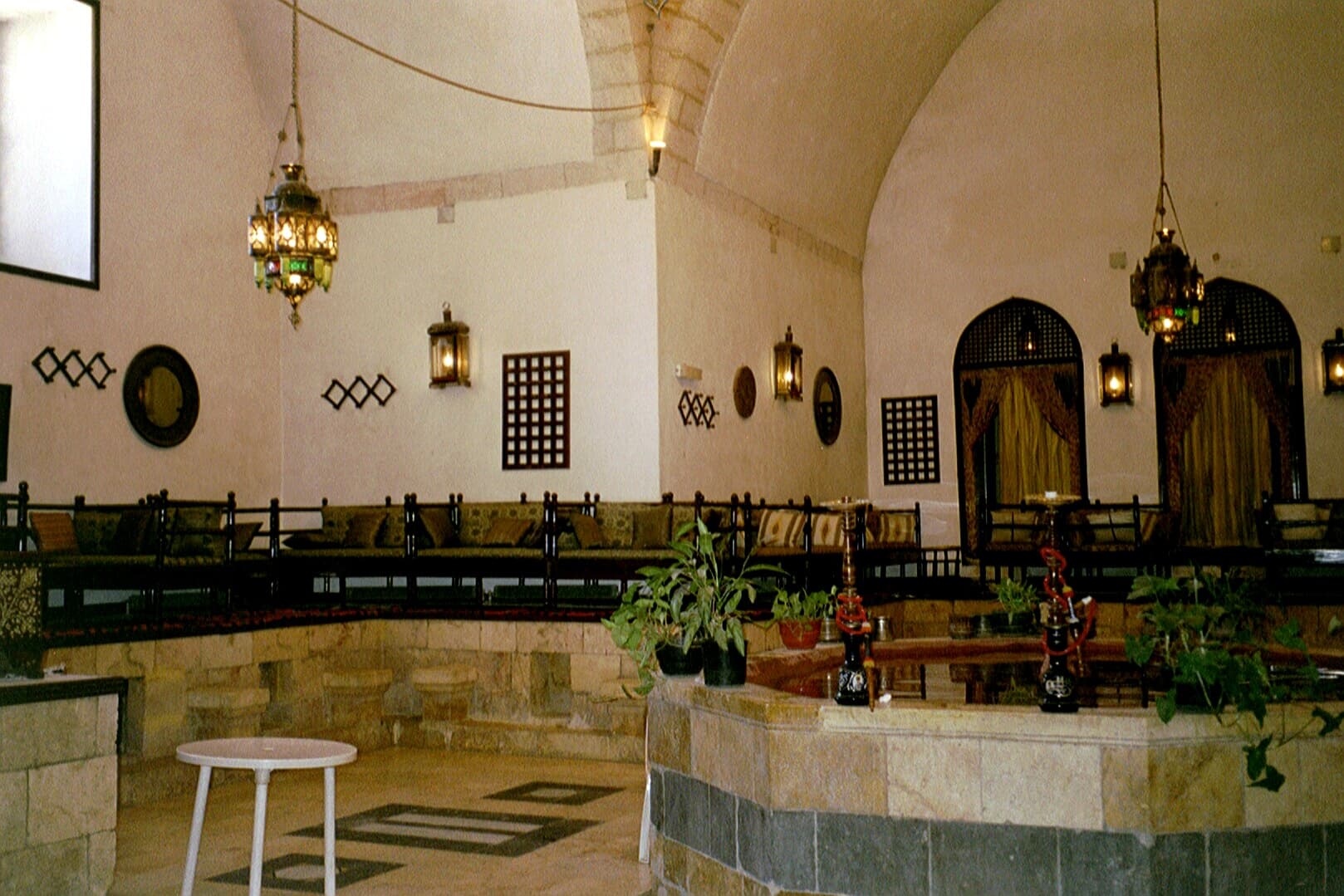
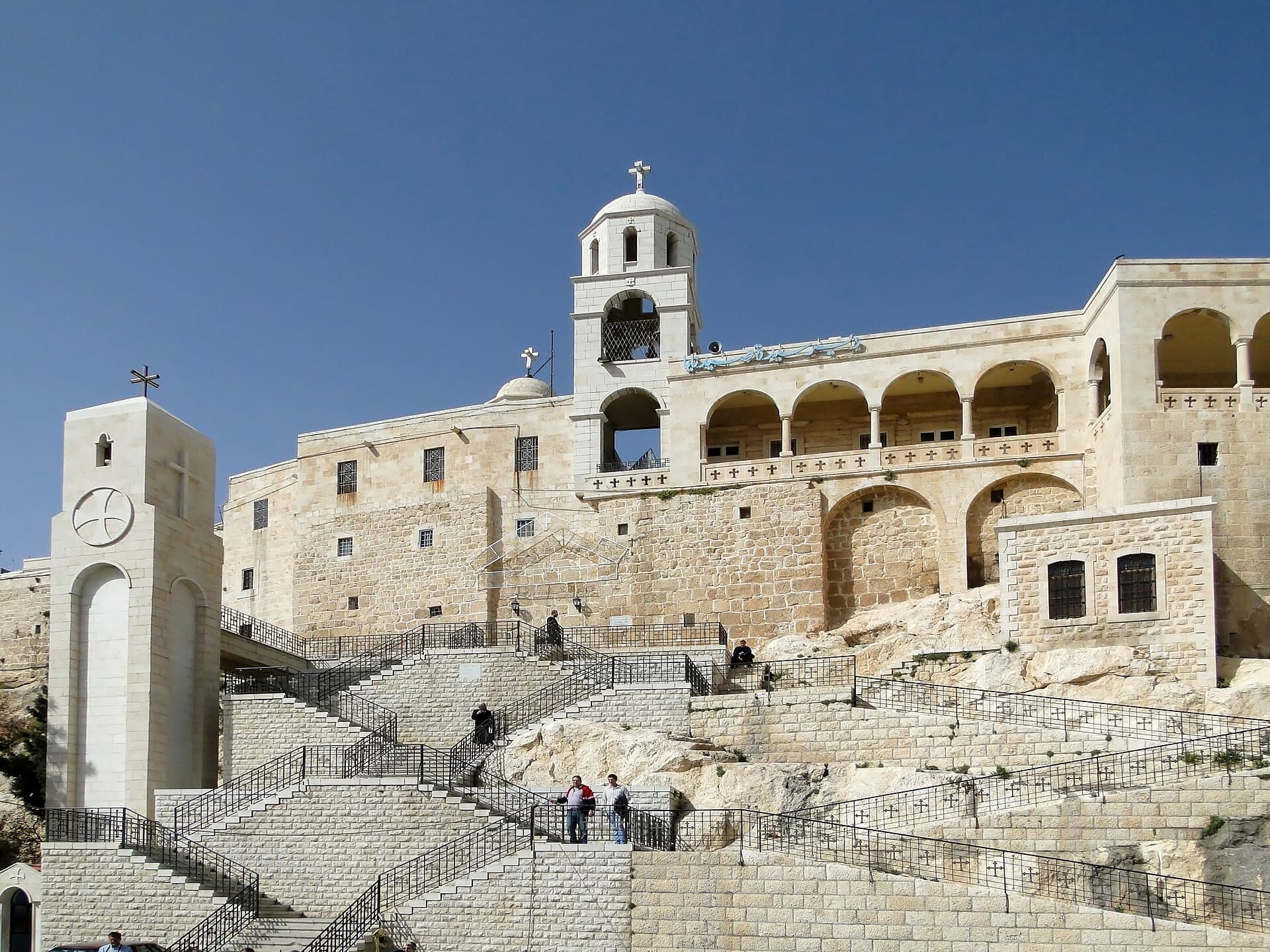
Monasteries and churches in Syria
The oldest securely dated church went up in 372; another has not closed since 515. Which community is where, how old each building is, and how to visit.