Qadmus Castle
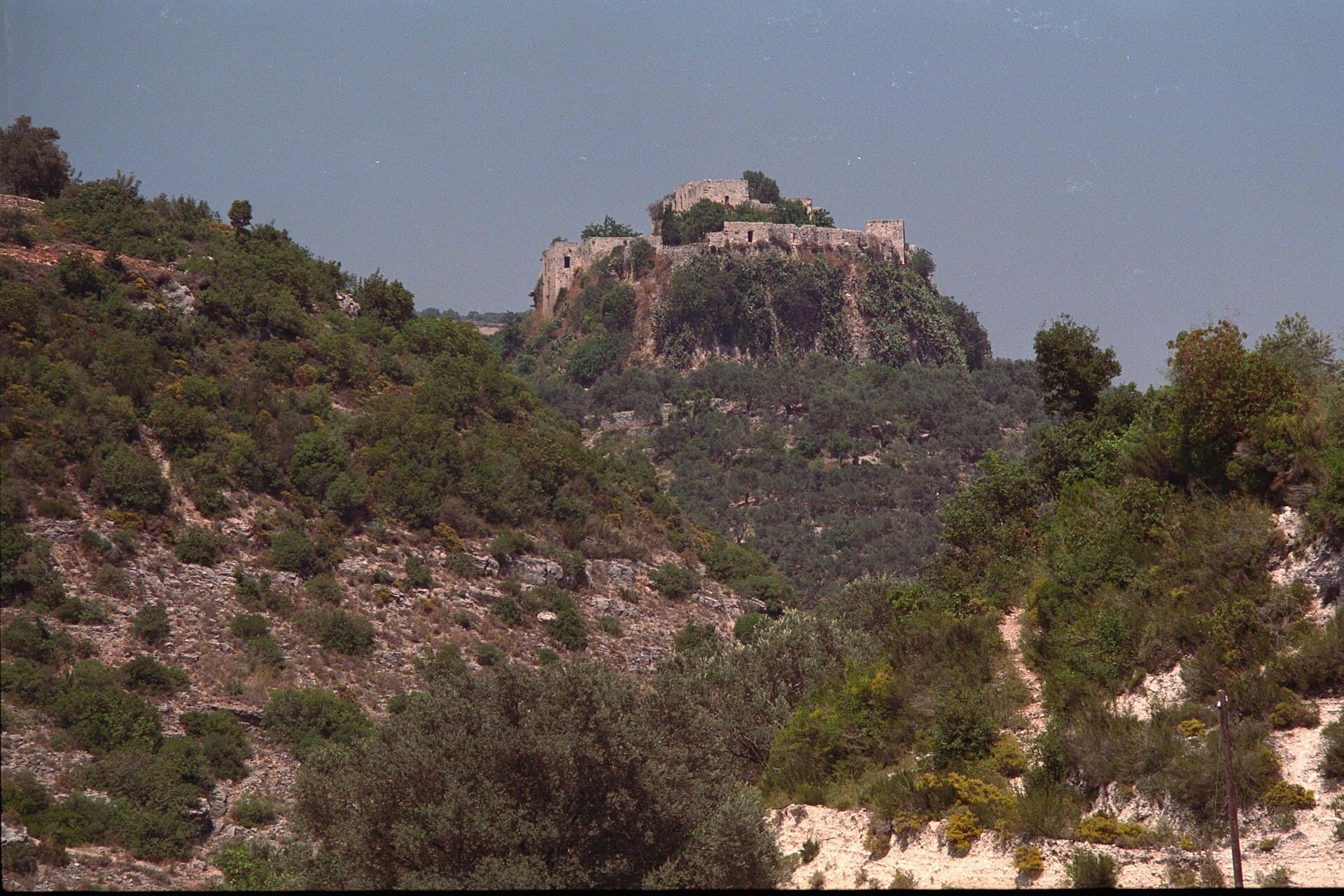
A castle on an isolated rock above the town, 26 kilometres east of Baniyas. For a time it was the chief seat of the Ismailis in Syria; today it is ruined.
- Opening hours
- Daylight hours; sections may be closed for earthquake repair
- Entry
- Variable — confirm on site
- Duration
- 60 minutes
- Best time
- Morning; the ridge can turn windy and misty in the afternoon
- Period
- Crusader — Ismaili — Mamluk
- Address
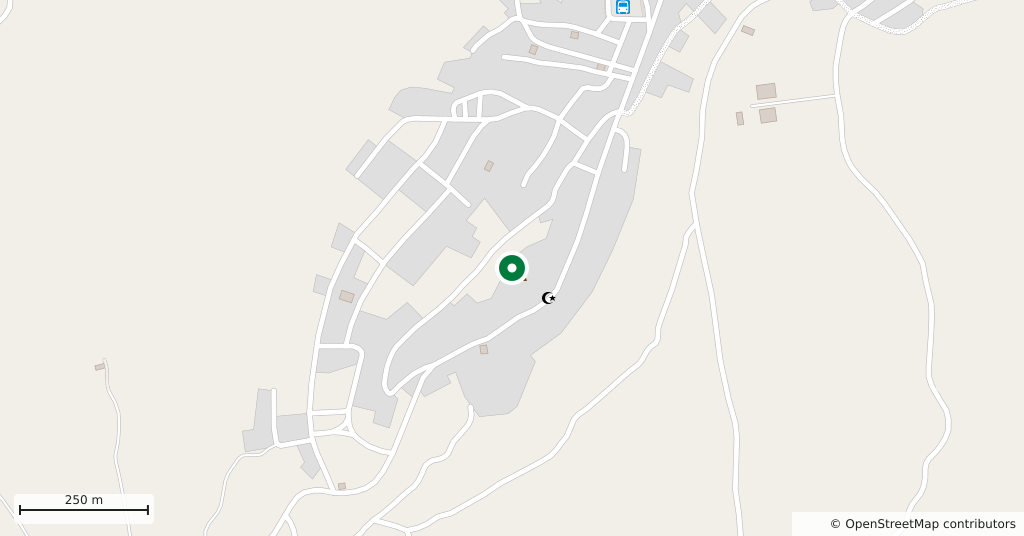
- Town of al-Qadmus, 26 kilometres east of Baniyas
A castle set on an isolated mass of rock directly above the town of al-Qadmus, in the coastal mountains. Because the rock is cut off on every side, the fortress runs long and narrow along the ridge and looks out in all directions. In the twelfth century it served for a time as the chief seat of the Ismailis in Syria, at the centre of the network that Qalaat al-Kahf and Masyaf also belonged to.
Getting there
It is 26 kilometres east of Baniyas by mountain road, about forty-five minutes; coming from Tartus the drive is considerably longer. Once you reach the town the castle is straight above you and no sign is needed. The way up is by stair.
What to see
The main entrance has been repaired and a new concrete stair leads up to the old defensive gate. To the right of it a wall of dressed stone protects the passage, and further on one pier of the second gate is still standing. The stair carries on to the upper terrace: two old wells cut into the rock are here, and rainwater used to be collected in them. Modern houses spread along the southern edge. Near the middle stands an older building with a fine arched entrance; inside, six-sided stone piers run in two rows, their arches meeting along the axis of the roof and dividing the space into three linked bays. On the east side is a vaulted hall of three aisles, each aisle with a balcony facing east.
How it reached today
The castle fell to the prince of Antioch early in the twelfth century, was retaken shortly afterwards, and in 1132 was sold to the Ismailis by the emir of al-Kahf. By the middle of the century the traveller Benjamin describes Qadmus as the principal seat of the Ismailis. The Mamluk sultan Baybars took it in 1273; the Ismailis stayed on, but now as subjects of the sultan. When Ibn Battuta passed through in 1355 the place came under the governorship of Masyaf, which came under Tripoli. When the Egyptian army moved into the region, Ibrahim Pasha had the fortress destroyed — Qadmus was still the seat of Ismaili power then, administering a district of hundreds of villages. The castle was badly damaged in the earthquake of February 2023.
How long it takes
An hour. The stair, the upper terrace and the pillared building; the circuit is short. Parts may be closed or unsafe because of the earthquake damage.
What most people miss
The balconies on the east side. Because the rock falls away on every side, what you see from there is not only the view but the logic of the place. Why the Ismailis chose this hill, and why it changed hands by negotiation rather than by siege, becomes clear in one look.
Tips
- The ground is stone and uneven and the edges have no railing — keep children well back
- There are cracked walls after the earthquake; do not push past a closed section
- Look at the large mosque with the octagonal minaret in the town below the castle
- Add Qalaat al-Kahf to the same day; the two castles belonged to one network
Transparency
- How this was chosen
- Written by hand; opening hours, entry fee and coordinates are kept as data. A field that is not known for certain is marked as variable rather than guessed.
- Facts checked
- September 2026
- Last updated
- September 15, 2026