Tell Hazna (Tell Khazna)
A 17-metre mound 25 km north-east of Hasakah: mud-brick terraces and an 8-metre tower from 2900-2700 BC, and a debate over whether it was a temple or a granary.
- Opening hours
- Open site, daylight hours; confirm access beforehand
- Entry
- Variable — confirm at the entrance
- Duration
- 60 minutes
- Best time
- A spring or autumn morning; in summer there is no shade on the plain
- Period
- Ubaid — Uruk — Early Dynastic
- Address
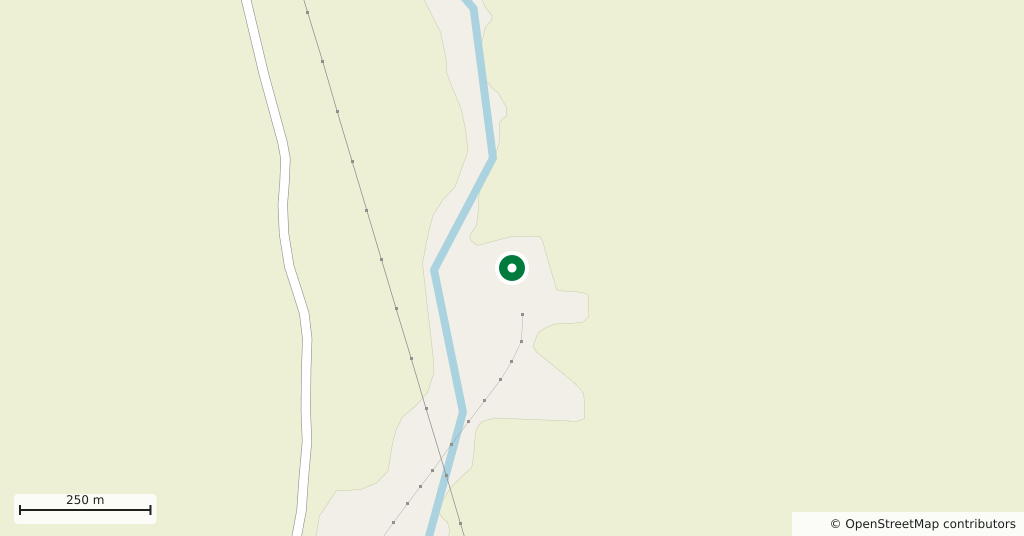
- Near the village of Hazna, Wadi Khanzir basin; 25 km north-east of Hasakah
Tell Hazna is a 17-metre mound beside the village of Hazna, 25 kilometres north-east of Hasakah. It is 150 metres across: small, but steep. The upper 12 metres belong to the Early Dynastic I-II period and the lower 4 metres to the Ubaid and Uruk periods. Between 2900 and 2700 BC the summit carried a multi-terraced complex with towers, built on a mud-brick platform. What that complex was is still argued over: the excavators call it a temple, while other researchers see a crowded settlement with large grain stores.
Where it is
On the Upper Khabur plain, in the basin of the Wadi Khanzir, which runs into the Jaghjagh: 14 kilometres west of Tell Brak and 25 kilometres south of Chagar Bazar. Several smaller mounds lie close by; the largest, Tell Hazna I, is the one this page describes. It fits into the same day as Tell Brak.
How long it takes
An hour. The mound is small; climbing it and walking the south and west slopes where the excavation took place is enough.
What the excavation found
The Institute of Archaeology of the Russian Academy of Sciences, led by Rauf Munchaev, dug for 22 seasons from 1988 to 2010 and opened more than 2000 square metres on the south and west slopes. The east slope is wrapped by a wall 7 metres high, up to 4 metres thick in places, with a sloping outer face. The team reads it as protection against the strong winds and rain of the area rather than as a defence.
At the centre of the summit complex stood a tower 8 metres high: a truncated pyramid with a base of more than 6 metres and a small vaulted chamber beneath it. A niche in one tower held 17 unused clay sickle blades and a stamp seal. Another tower held a cache of crystal, carnelian, jet, turquoise and silver pendants. Once the complex went out of use it served for a time as a cemetery, and 25 graves were excavated. The small finds include 27 bronze pins, thousands of beads and a crescent-shaped piece of bone just over 2 centimetres long, thought to belong to a musical instrument.
Temple or granary
The excavators explain the site as two temples, the Upper and the Lower Temple, with grain stores under temple control. The opposing view reads the same buildings as a dense settlement with large food stores and no religious component. Both interpretations are in print, and both rest on the same mud-brick walls.
What not to miss
The second mound, Tell Hazna II, a kilometre to the south. It is far older, reaching back to the Hassuna culture of the 6th millennium BC. Here a one-year-old child was found buried inside a large pot, with more than 200 beads of copper, stone and shell.
The site today
Excavation ended in 2010. Control of the Tell Brak area changed in early 2026, and we could not confirm current access to the site. Whether there is a guard or any visiting arrangement on the mound is unknown. Ask in Hasakah before you go, and keep clear of the edges of the old trenches.
Tips
- Pair it with Tell Brak; Tell Brak is 14 km to the east
- The tower and terrace walls are mud brick; do not stand on them or handle the edges
- The edges of the old trenches may be undercut; stay on the path
- Tell Hazna II is a kilometre to the south by the wadi and fits into the same visit
Transparency
- How this was chosen
- Written by hand; opening hours, entry fee and coordinates are kept as data. A field that is not known for certain is marked as variable rather than guessed.
- Facts checked
- September 2026
- Last updated
- September 15, 2026