Featured places
Mosques, caravanserais, souks, museums — and why they are worth the walk.
25 Places
Souq al-Sagha, the Goldsmiths’ Souq of Damascus
The goldsmiths’ souq opposite the south gate of the Umayyad Mosque: once the shoemakers’ market, half open, half covered, with a few shoe shops still among the gold.
Damascus · Ayyubid — Mamluk
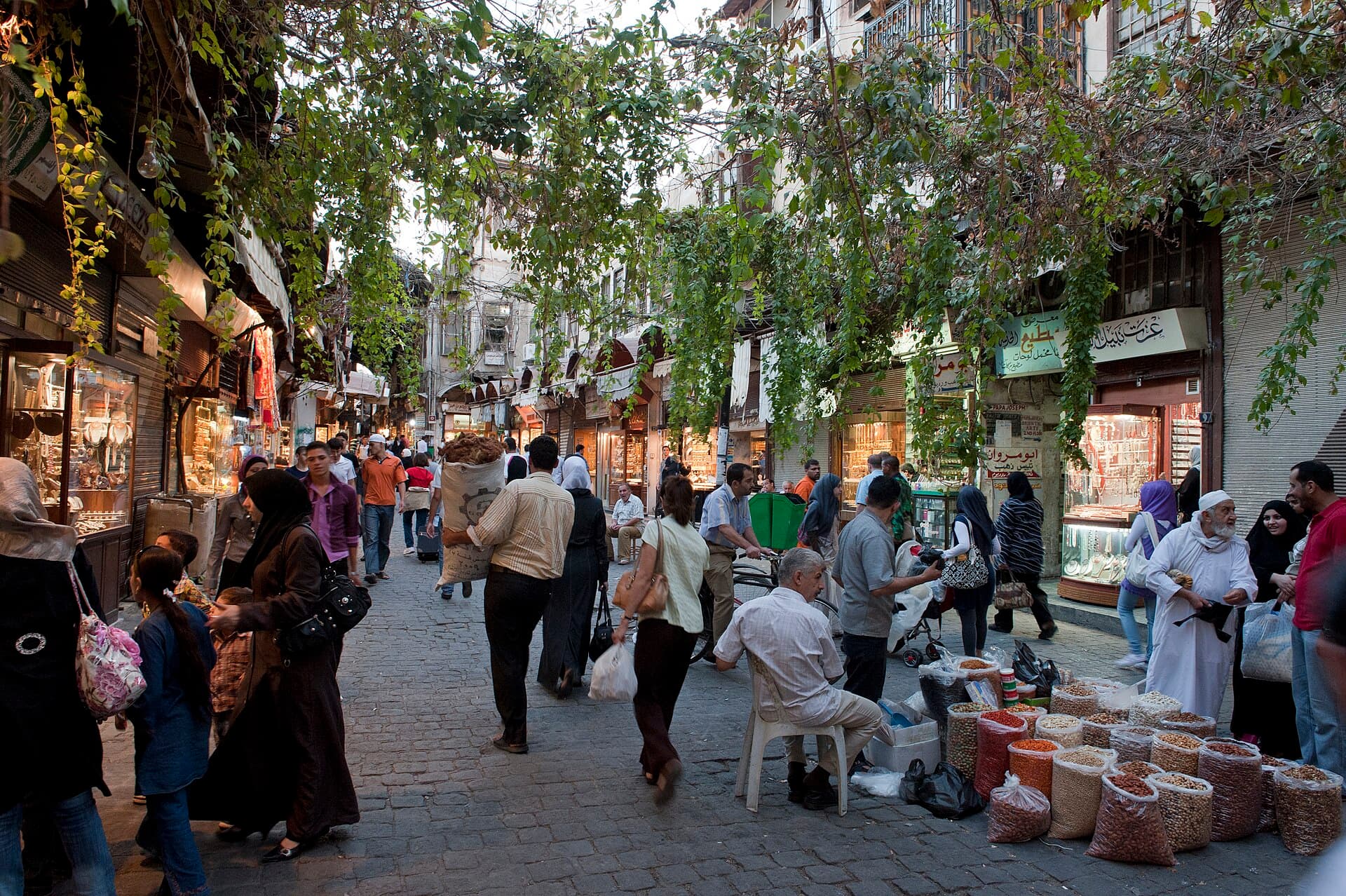
The Old Souqs of Deir ez-Zor (al-Souq al-Muqabbi)
Seven covered markets laid out in 1865 by craftsmen from Urfa, selling spices, sickles and tent rope. Largely destroyed in 2012; ask on site which parts reopened.
Deir ez-Zor · Late Ottoman
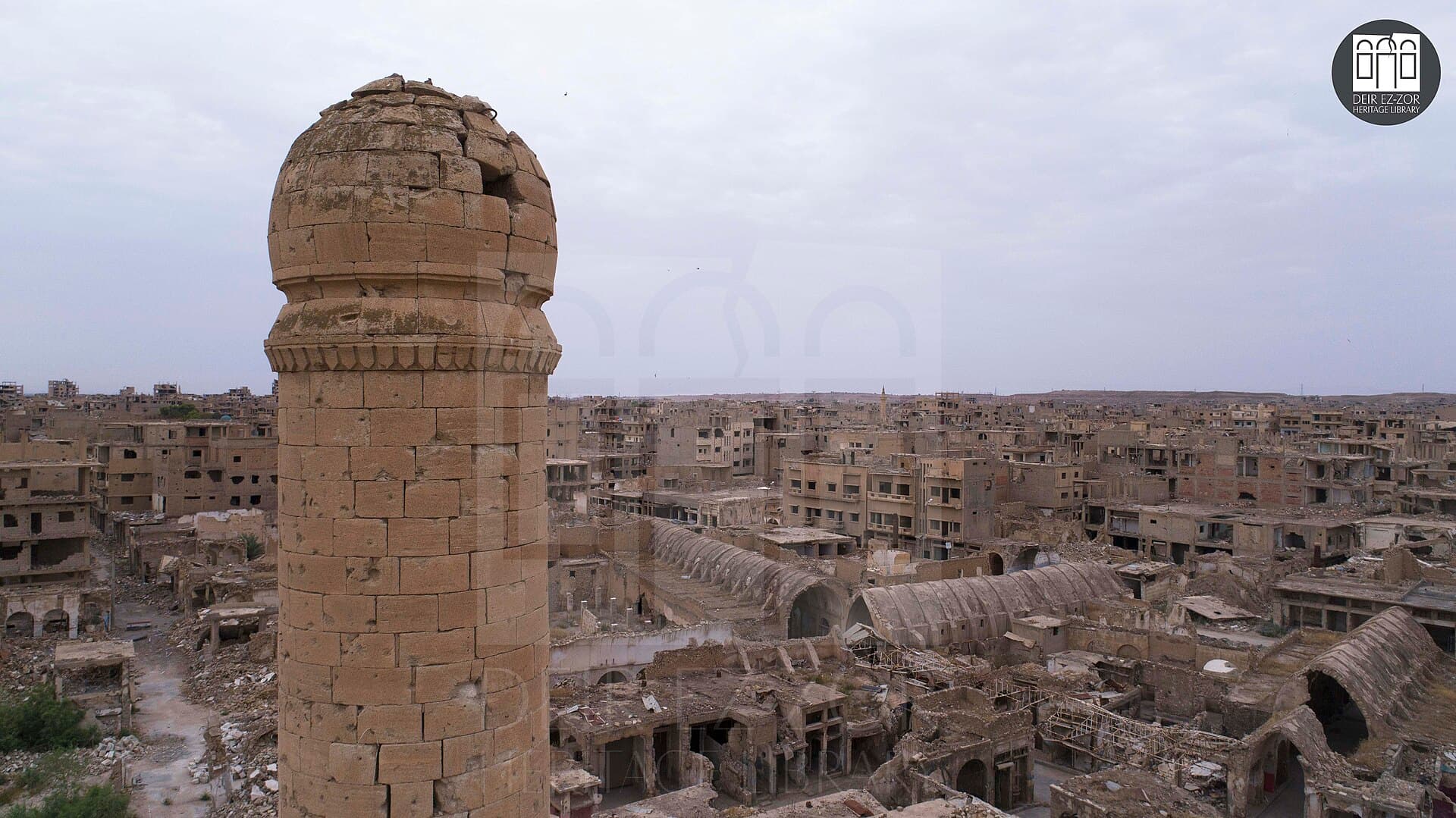
Souq al-Tawil, the Long Market of Hama
Hama’s oldest market, built by the Ayyubid ruler al-Mansur Muhammad. It runs from al-Dabbagha to al-Murabit Street, with two khans inside and a mosque at one end.
Hama · Ayyubid
The Covered Souqs of Homs
A maze of roofed lanes running from the Great Mosque of Homs towards the old citadel: grocers, cobblers, knife-sharpeners, and the evening as the busiest hour.
Homs · Mamluk — Ottoman
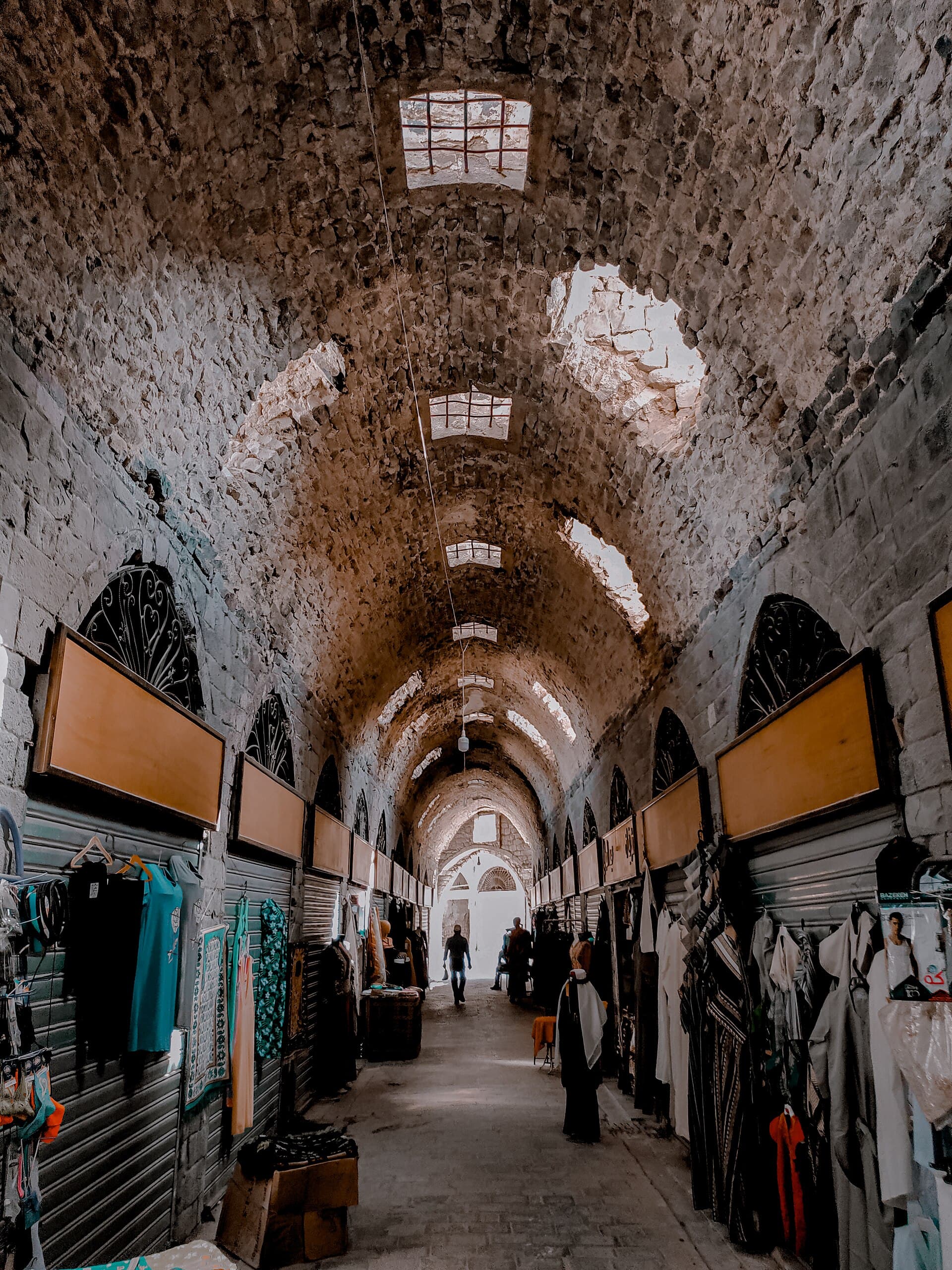
Souq az-Zirb
The east gate of the Aleppo souq, the first covered lane you meet coming down from the citadel. Named after a Mamluk mint, it holds 71 shops and is free.
Aleppo · Mamluk to Ottoman
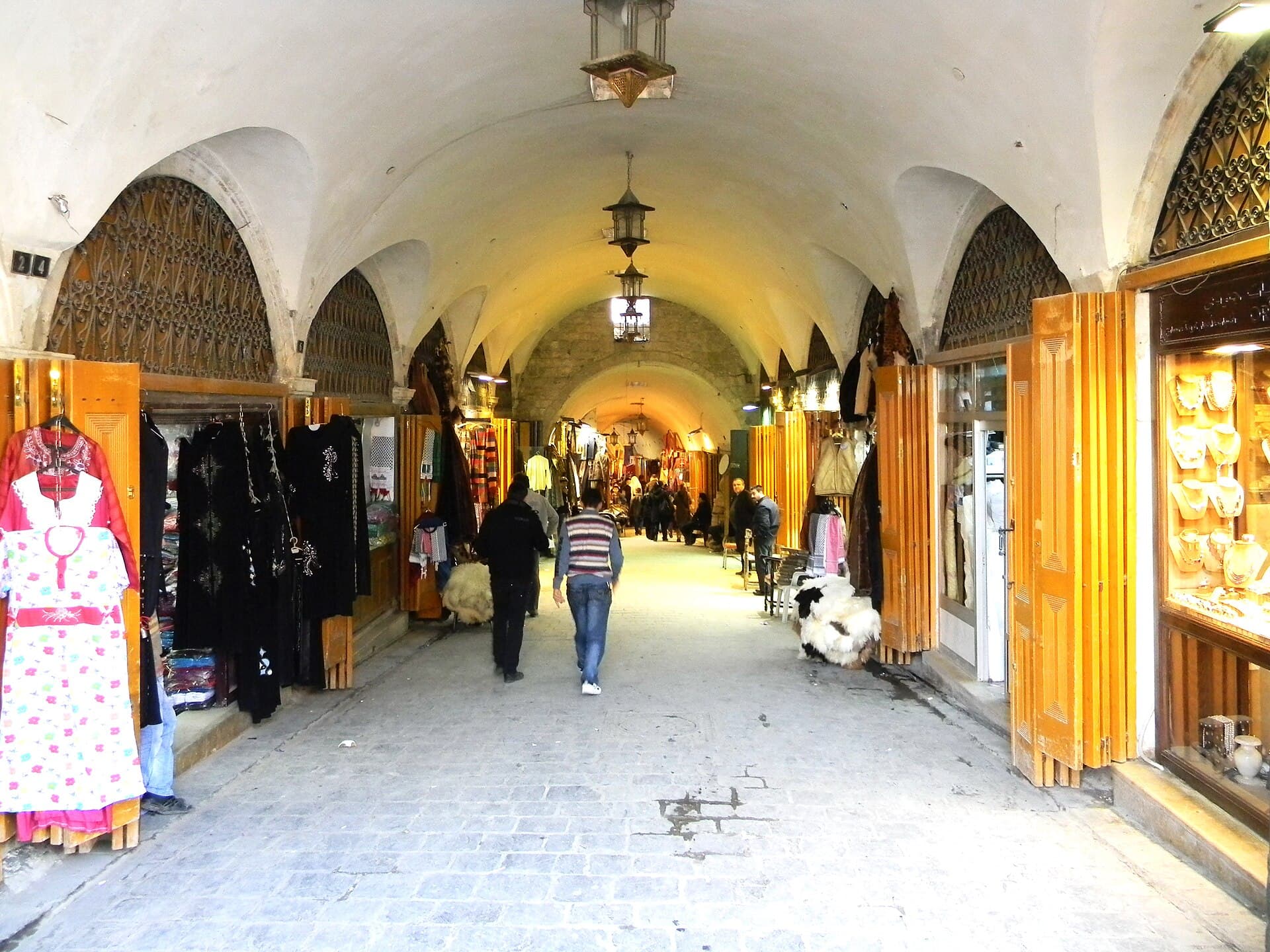
Suweiqat Hatem
The little souq of the Farafira quarter, one of the two long alleys of Suweiqa. Khans stand around it and the shops here sell household and kitchen goods.
Aleppo · Ottoman
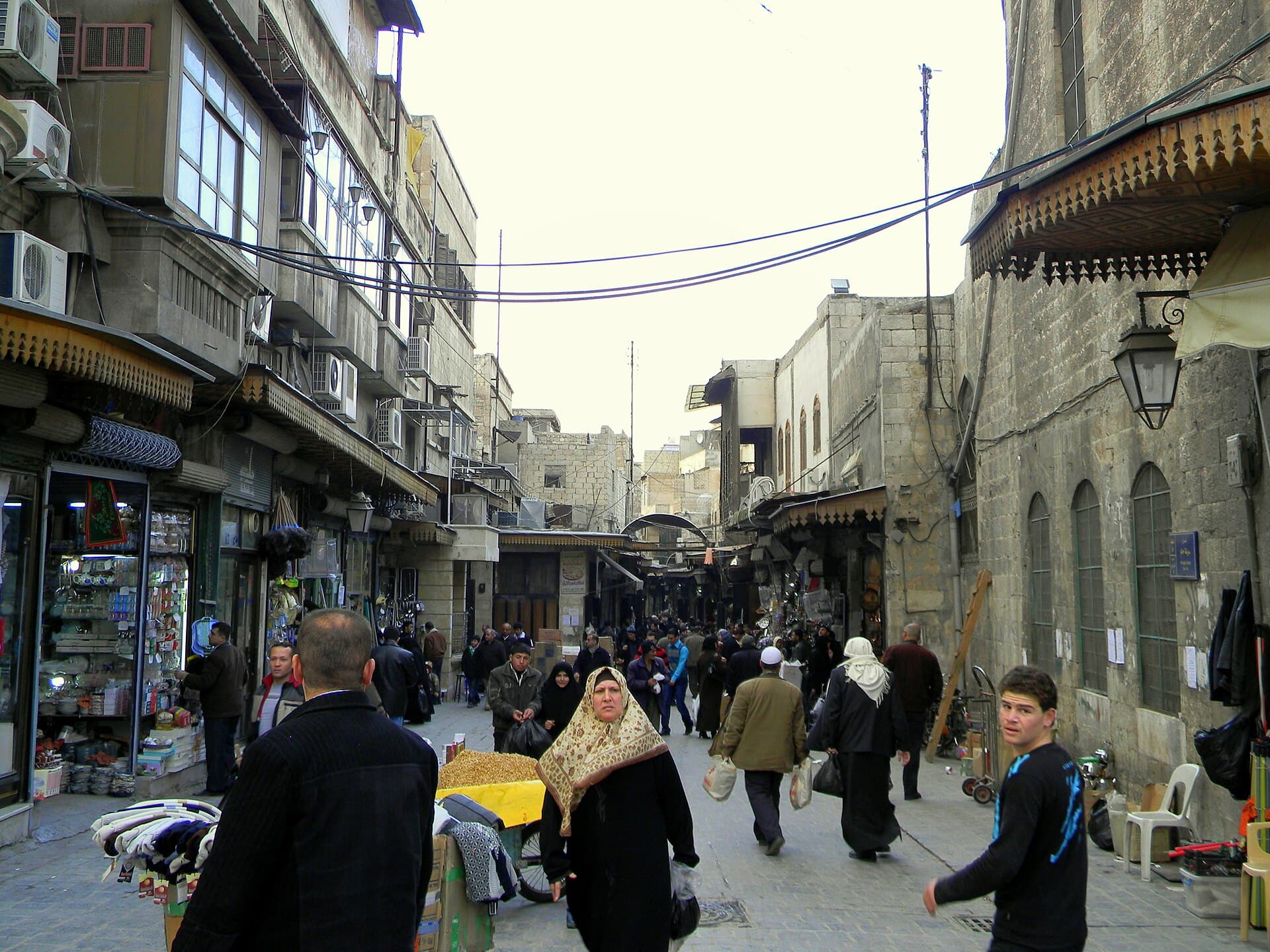
Souq as-Souf
The wool market of Aleppo, outside the walls. It runs along Salibeh street in Jdeydeh, ringed by the old churches of the quarter, market and church side by side.
Aleppo · Ottoman
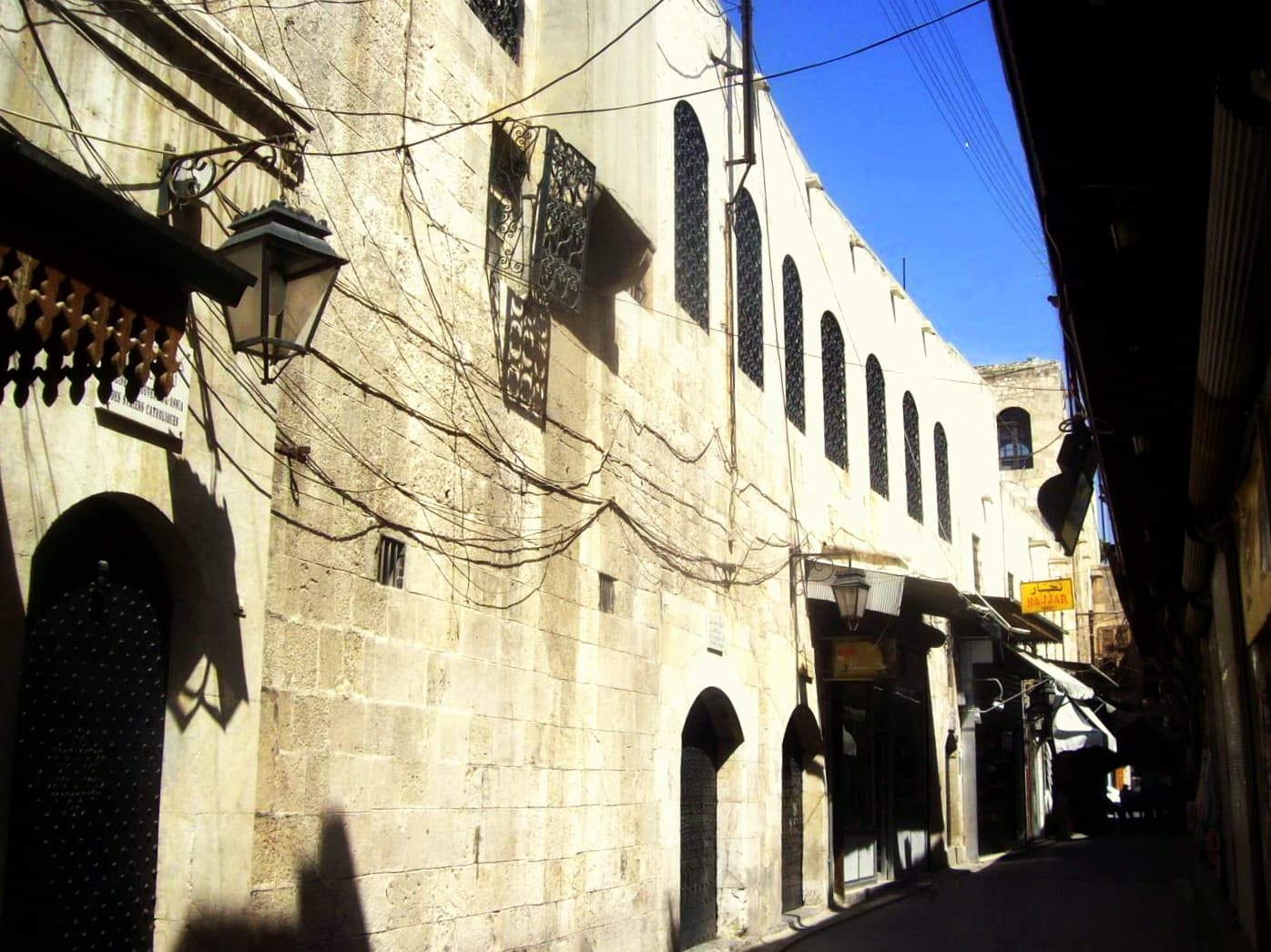
Souq as-Siyyagh
The jewellers’ lane of Aleppo, described as the main jewellery market in Syria: 99 shops set along two parallel alleys inside the souq. Entry is free.
Aleppo · Ottoman
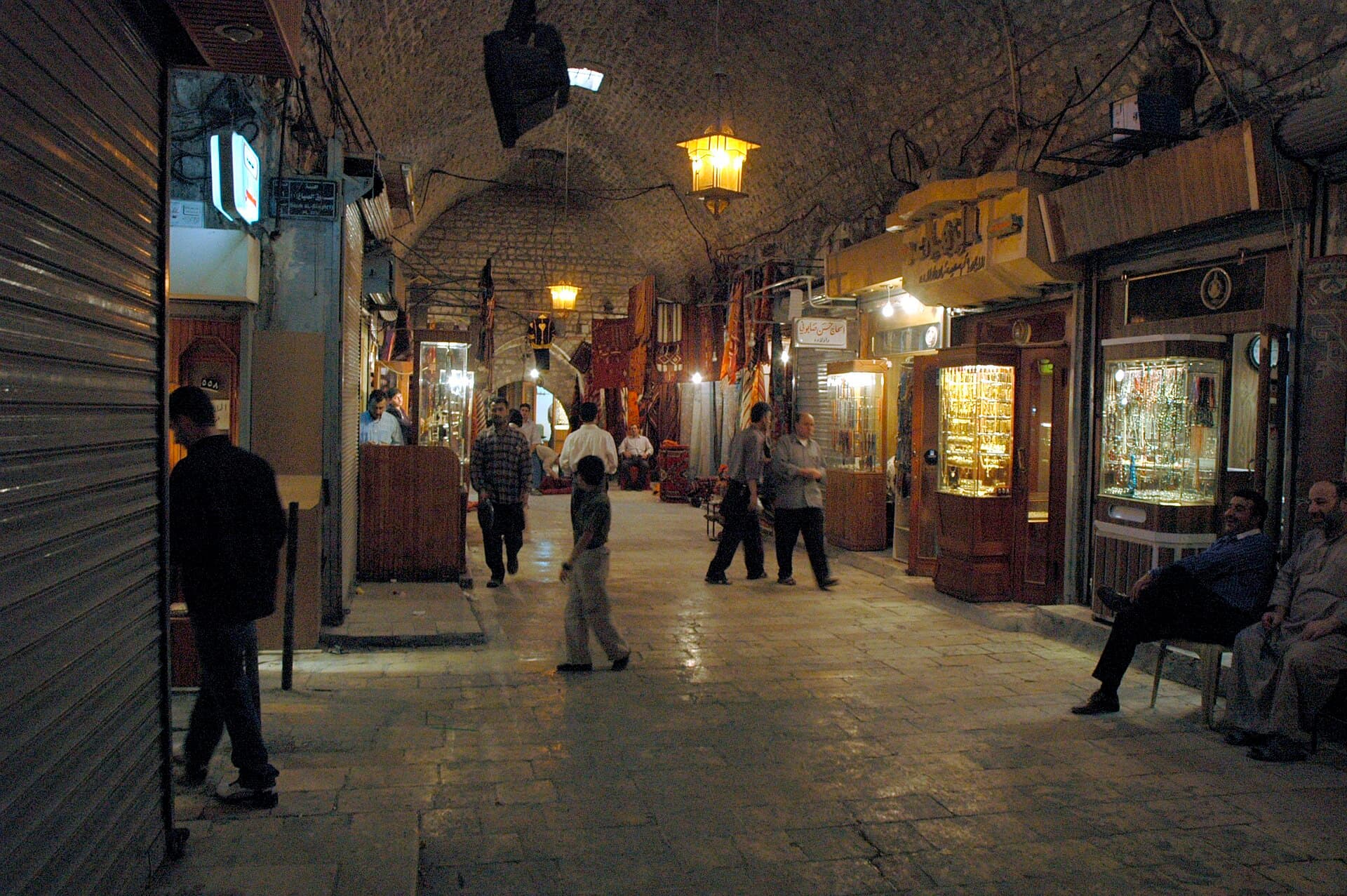
Souq an-Niswan
The bride’s lane of the Aleppo souq: wedding dresses, accessories and trousseau. Long and fully covered, with the gold and herb souqs branching off it.
Aleppo · Ottoman
Souq al-Hiraj
Once the firewood and charcoal market of Aleppo, this covered lane now has 33 shops dealing mostly in rugs and carpets. The trade changed and the name stayed.
Aleppo · Mamluk to Ottoman
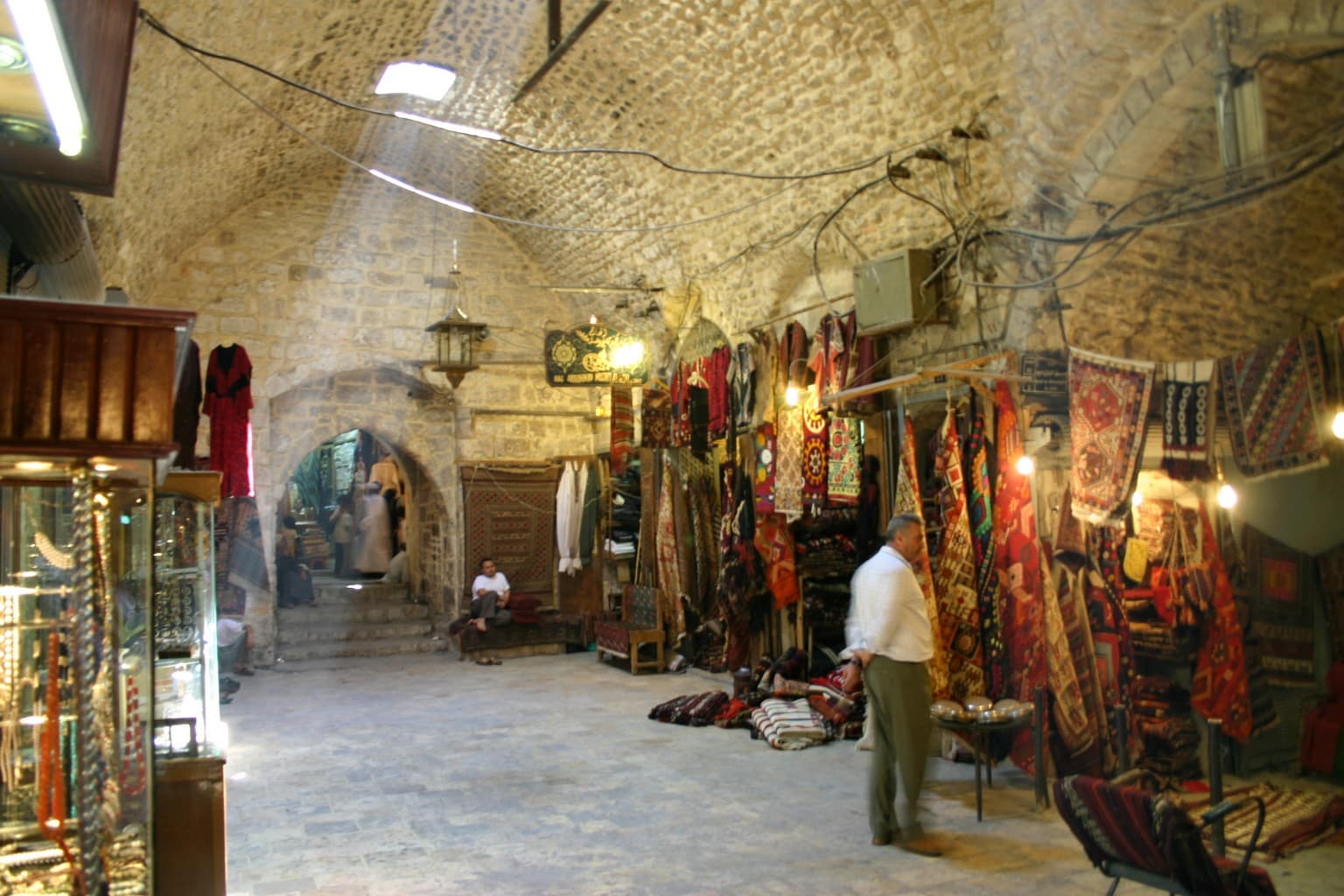
Souq al-Farrayin
The south gate of the Aleppo souq. Farra means furrier, and most of the 77 shops still work in fur and leather, under a stone vault that runs the whole lane.
Aleppo · Mamluk to Ottoman
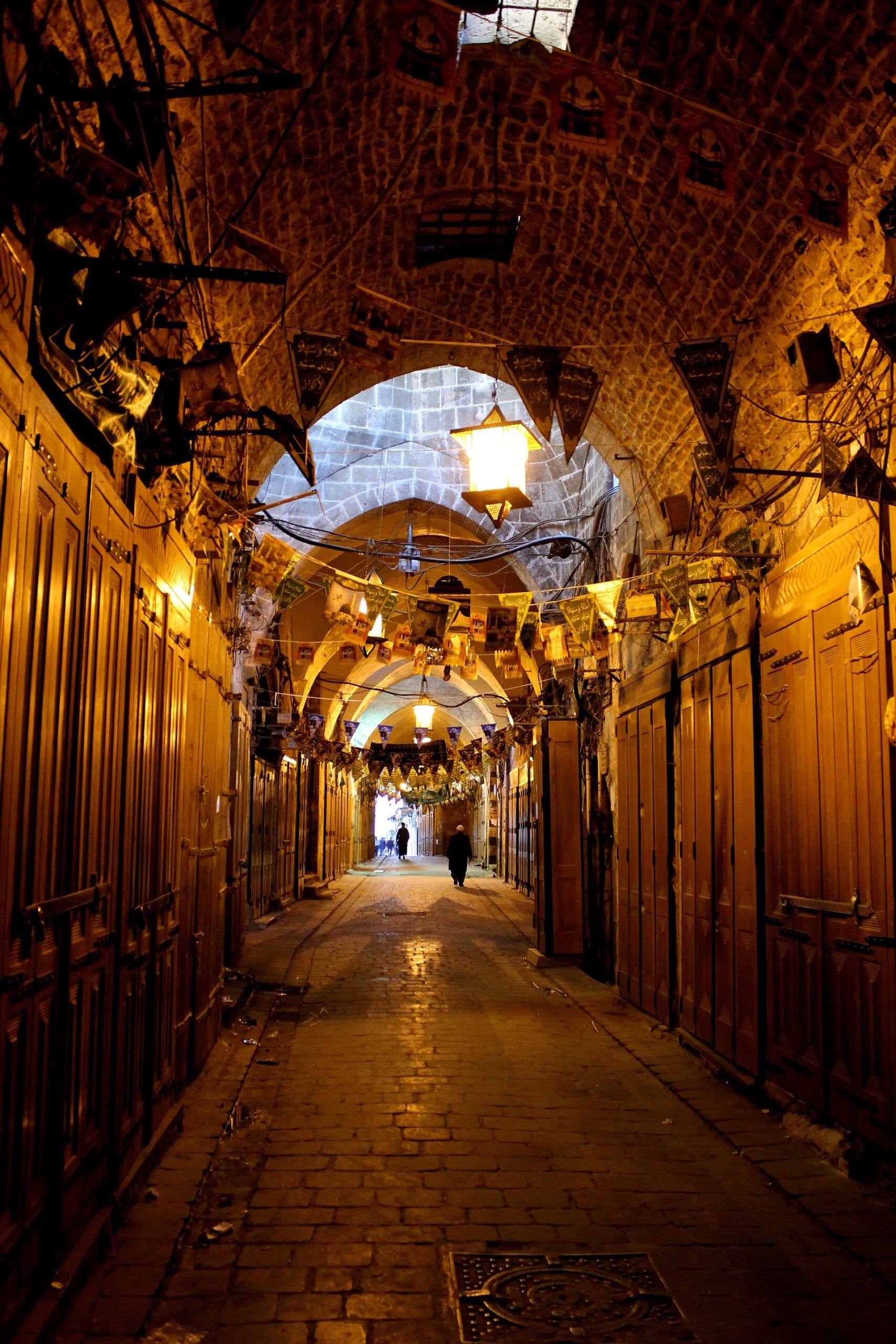
Souq al-Haddadin
One of the northern ways into the old city of Aleppo and its blacksmiths’ market: 37 workshops. Here the name and the trade still match, and entry is free.
Aleppo · Ottoman