Featured places
Mosques, caravanserais, souks, museums — and why they are worth the walk.
100 Places
Hisn Maslama (Madinat al-Far)
A town in the Balikh valley that grew from an Umayyad general’s estate: a square wall 330 metres a side, half-round towers and cisterns. Access unconfirmed.
Raqqa · Umayyad foundation, Abbasid town
The Jaghjagh River
The Jaghjagh rises in Tur Abdin, runs through Qamishli and joins the Khabur in Hasakah: 124 kilometres long, once the Mygdonius, and dry in town for a decade.
Hasakah · Natural; anciently the Mygdonius, the Hirmas in Arabic sources
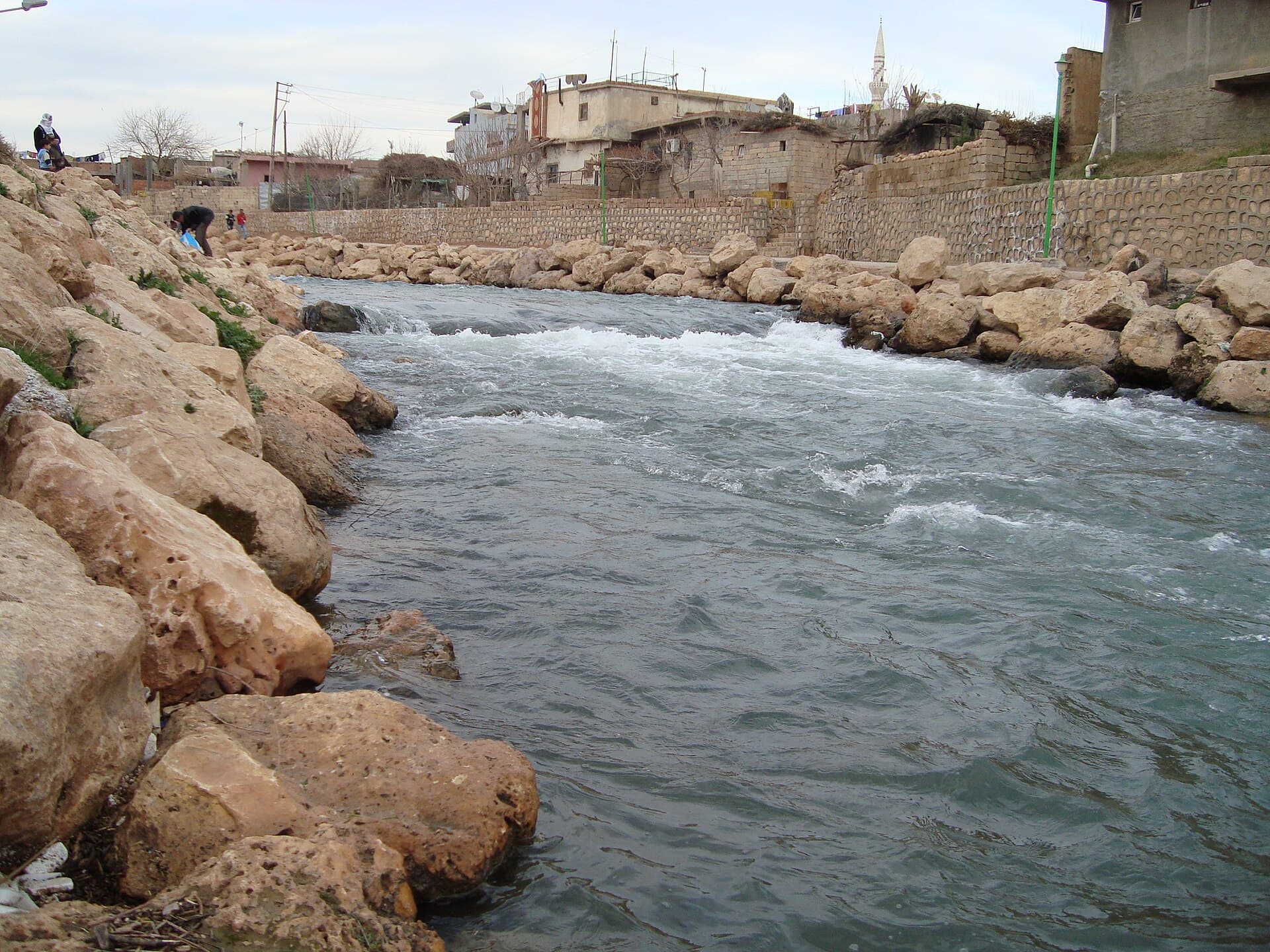
Ain al-Arous spring, source of the Balikh
The karst spring 3 km south of Tell Abyad where the Balikh River rises: a clear pool, the shrine of Abraham and a mill from 1908. Access to the site is unconfirmed.
Raqqa · Natural spring; shrine recorded in the Middle Ages, mill from 1908
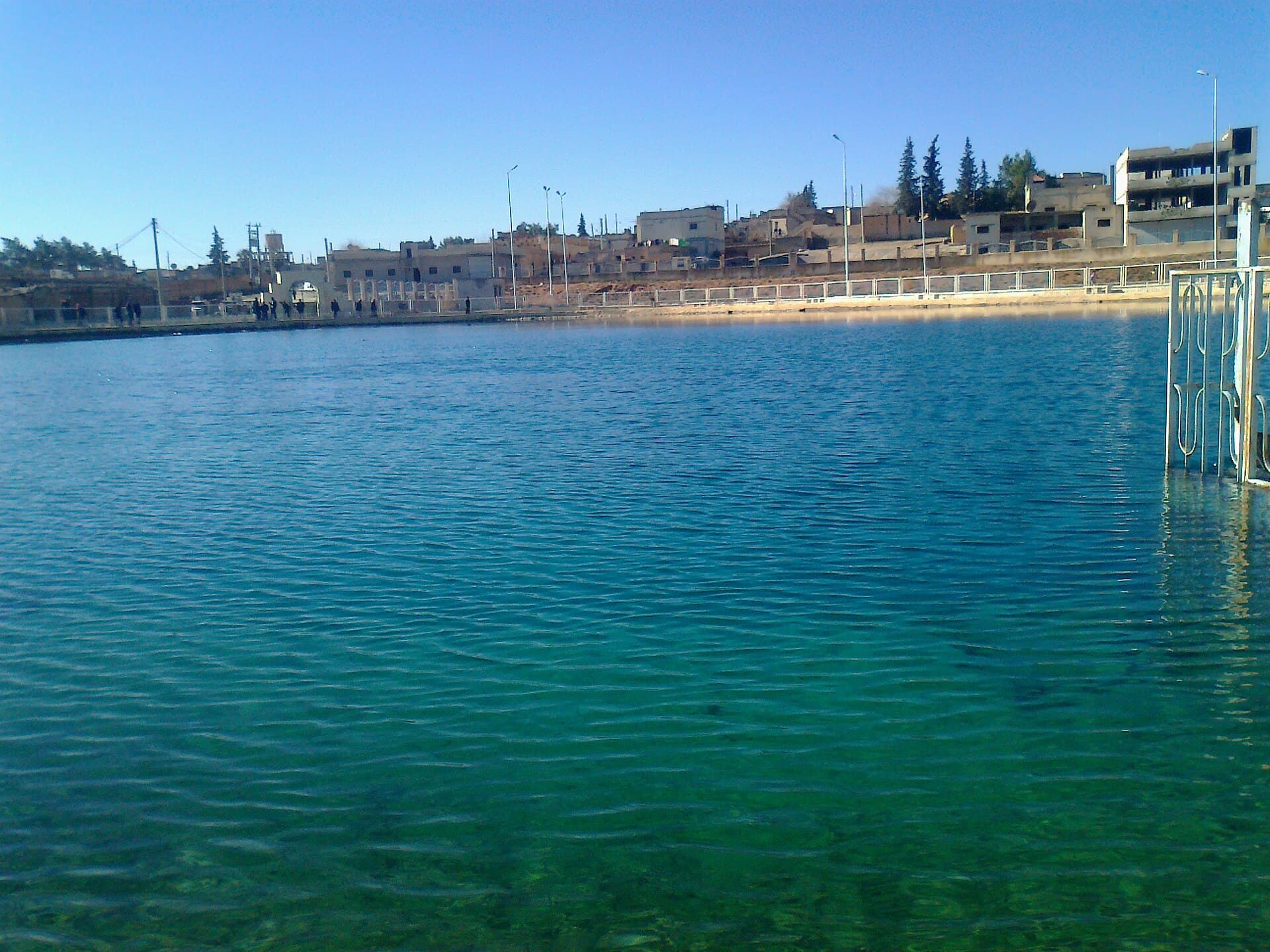
Mor Elias Syriac Orthodox Church, Amuda
Amuda’s Syriac Orthodox church opened in 1927-1928, stood shut for over 40 years and reopened in 2017. The feast held every 20 July, and what to know before going.
Qamishli · 20th century · Syriac Orthodox
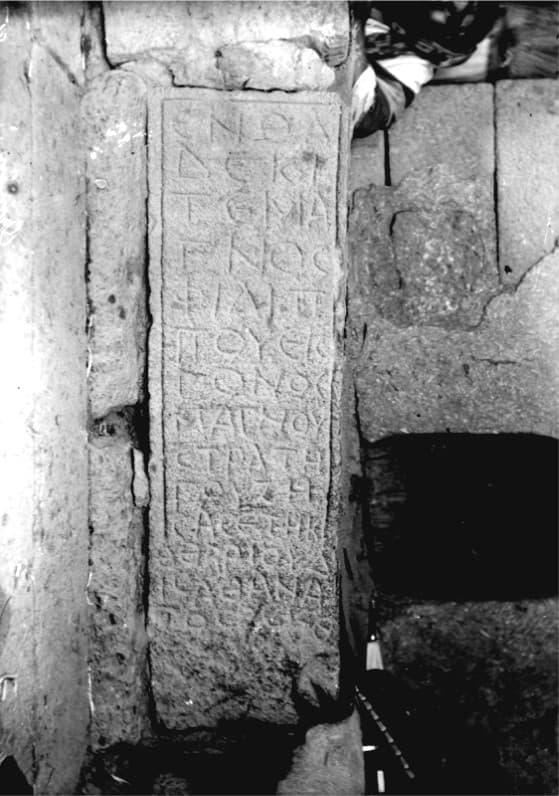
Urman, Suwayda: the Village Where the 1925 Revolt Began
A village 5 kilometres east of Salkhad whose inscriptions show pagan worship lasting to 517, and where the first shots of the 1925 Great Syrian Revolt were fired.
As-Suwayda · Roman — Byzantine; Ottoman
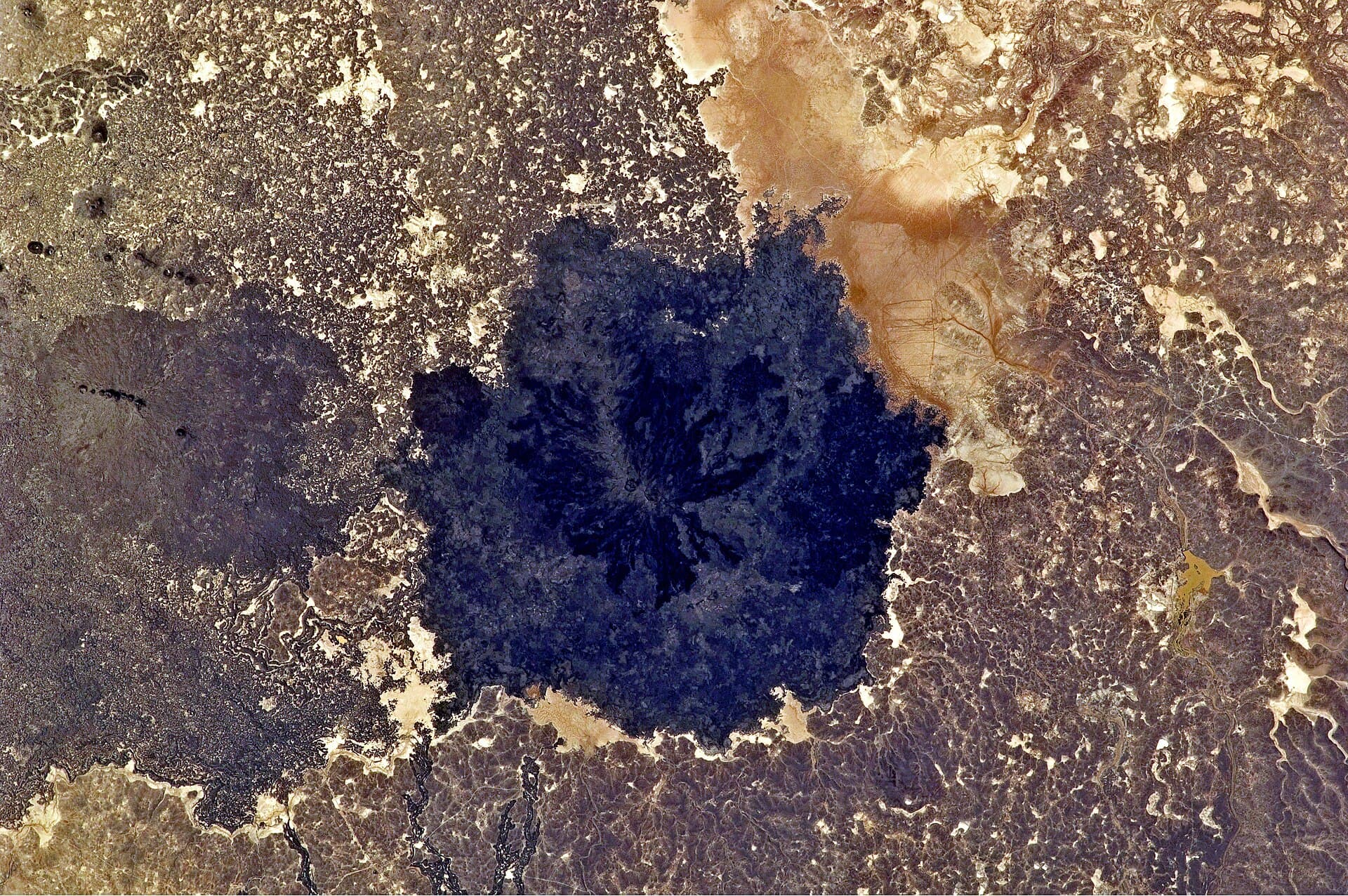
Al-Safa Volcanic Field: Syria’s Youngest Lava Field
A young 220 km² lava field east of Shahba: at least 38 cinder cones, Safaitic inscriptions cut into basalt, and the place that named the script. No road, no village.
As-Suwayda · Holocene; Safaitic inscriptions (1st millennium BC – 4th century AD)
Tell Qarassa: Dolmens and a Bronze Age Mound in Southern Syria
A mound on the southern edge of the Lajat settled from the Natufian to the Iron Age, with a dolmen cemetery of 3600–3000 BC and houses with an apse at each end.
As-Suwayda · Natufian — Iron Age
Temple of Dionysus-Dushara in Suwayda
A large Nabataean temple in Suwayda, ringed by columns and built on a Greek plan. Butler counted 7 columns in 1900; its state today and exact site are unconfirmed.
As-Suwayda · Nabataean — Hellenistic
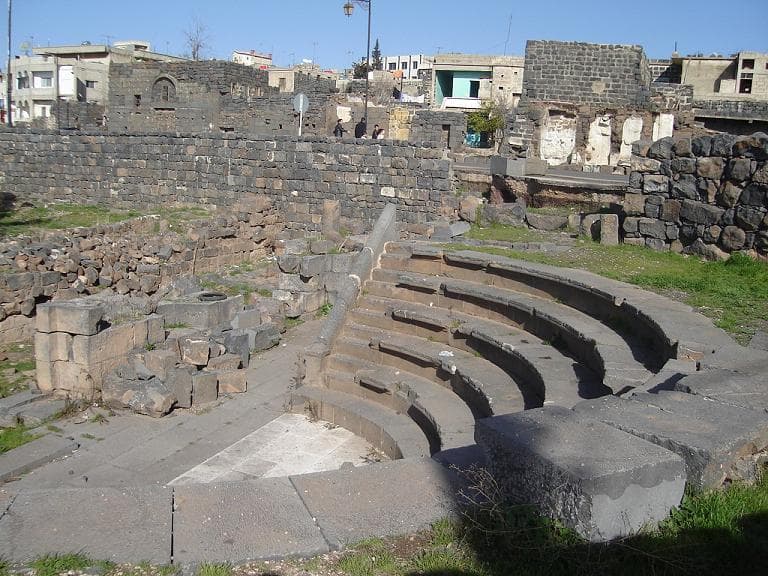
The Odeon of Suwayda: Dionysias’ Small Roman Theatre
A small Roman theatre dug out in old Suwayda: basalt tiers, plus a row of shops, a paved portico and column bases still in place, uncovered by the 2017 excavation.
As-Suwayda · Roman
The Great Church of Suwayda: Basilica of St Sergius
A five-aisled Byzantine basilica in the heart of ancient Dionysias, with floor mosaics, an image of St Sergius, a bishop’s family inscription and 2018 finds.
As-Suwayda · Byzantine
Sheikh Saleh al-Ali Mausoleum and Museum, al-Shaykh Badr
The hilltop tomb of Saleh al-Ali, who launched the 1918 revolt against French rule, with a museum of the uprising above al-Shaykh Badr and an April festival.
Tartus · 1918–1921 revolt; post-independence monument
Sa’neh Roman Fort
A square Roman frontier fort with 12 towers at 1365 metres east of Jabal al-Arab: basalt walls up to 3 metres high, planned in 1990 and never excavated.
As-Suwayda · Roman