What is Hasakah famous for?
Hasakah is known as the way in to the belt of tells along the Upper Khabur: Tell Brak, Tell Beydar and Tell Halaf all belong to it, and all three are foundational sites in Mesopotamian archaeology. The city itself was founded in 1922 as a French military post and is a plain town where Arab, Kurdish, Assyrian, Syriac and Armenian families live side by side. An excavated mound stands in the very middle of it, with Middle Assyrian, Byzantine and Islamic levels. The countryside around was counted as Syria's wheat and cotton store; the retreat of the Khabur has taken most of that farming back.
Highlights
- The open excavation on the mound in the centre, with Mandate-era buildings along its edge
- Nine churches of seven different congregations within a few streets
- The mud-brick walls of the Naram-Sin building at Tell Brak, 40 kilometres north-east
- The two concentric rings of Tell Beydar drawn onto the plain, 35 kilometres north
- The bank of the Khabur: the strip the city actually uses in the late afternoon
What to see
- Hasakah · Neolithic
Tell Seker al-Aheimar
A Neolithic mound in the Khabur valley west of Tell Tamer, where Upper Mesopotamia's oldest known water well and a unique painted clay figurine were excavated.
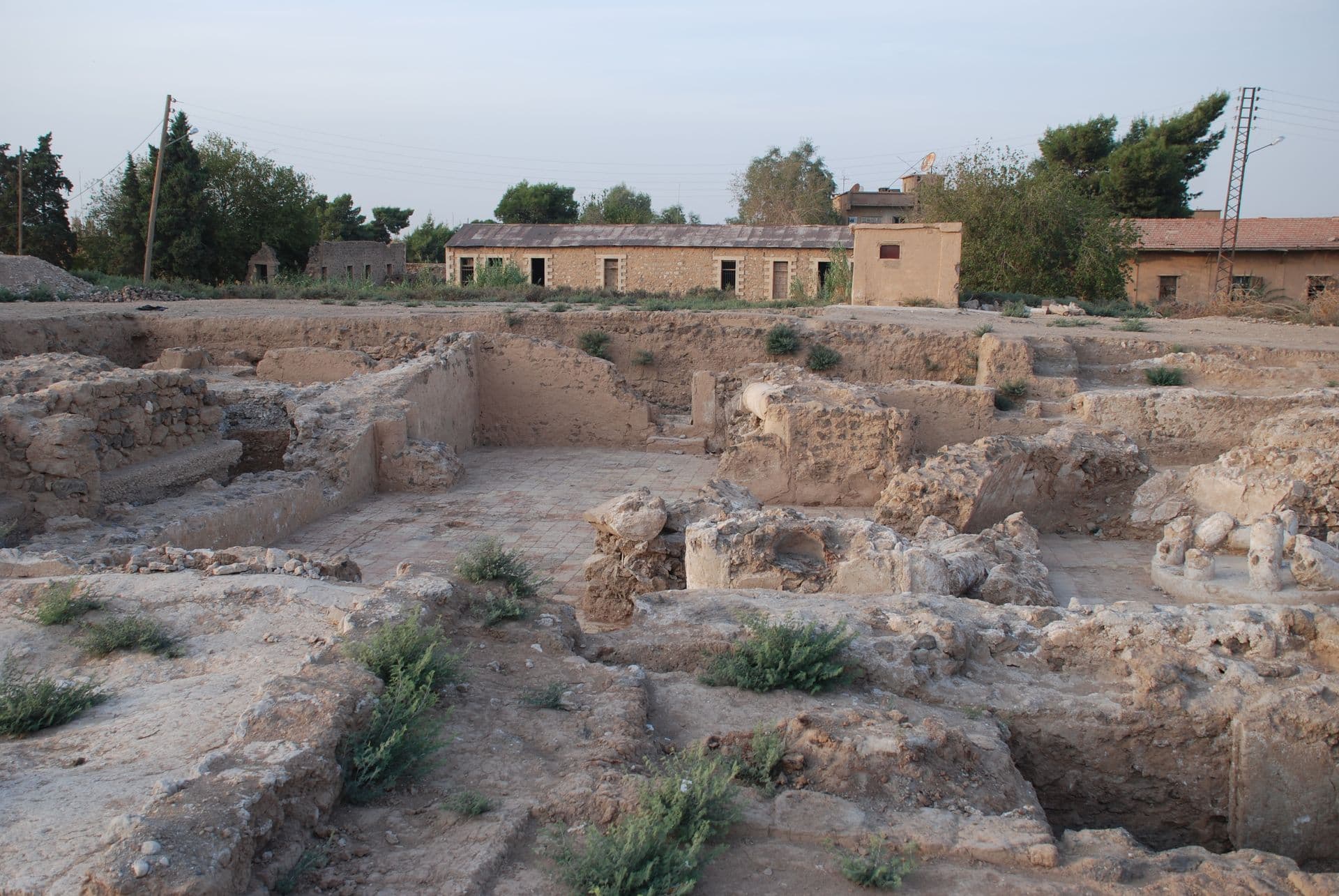 Hasakah · Byzantine and Neo-Assyrian
Tell al-Hasakah
A mound in central Hasakah on the Khabur, where a 2008-2011 dig exposed a Byzantine cathedral, a baptistery and a Neo-Assyrian building; access today is unclear.
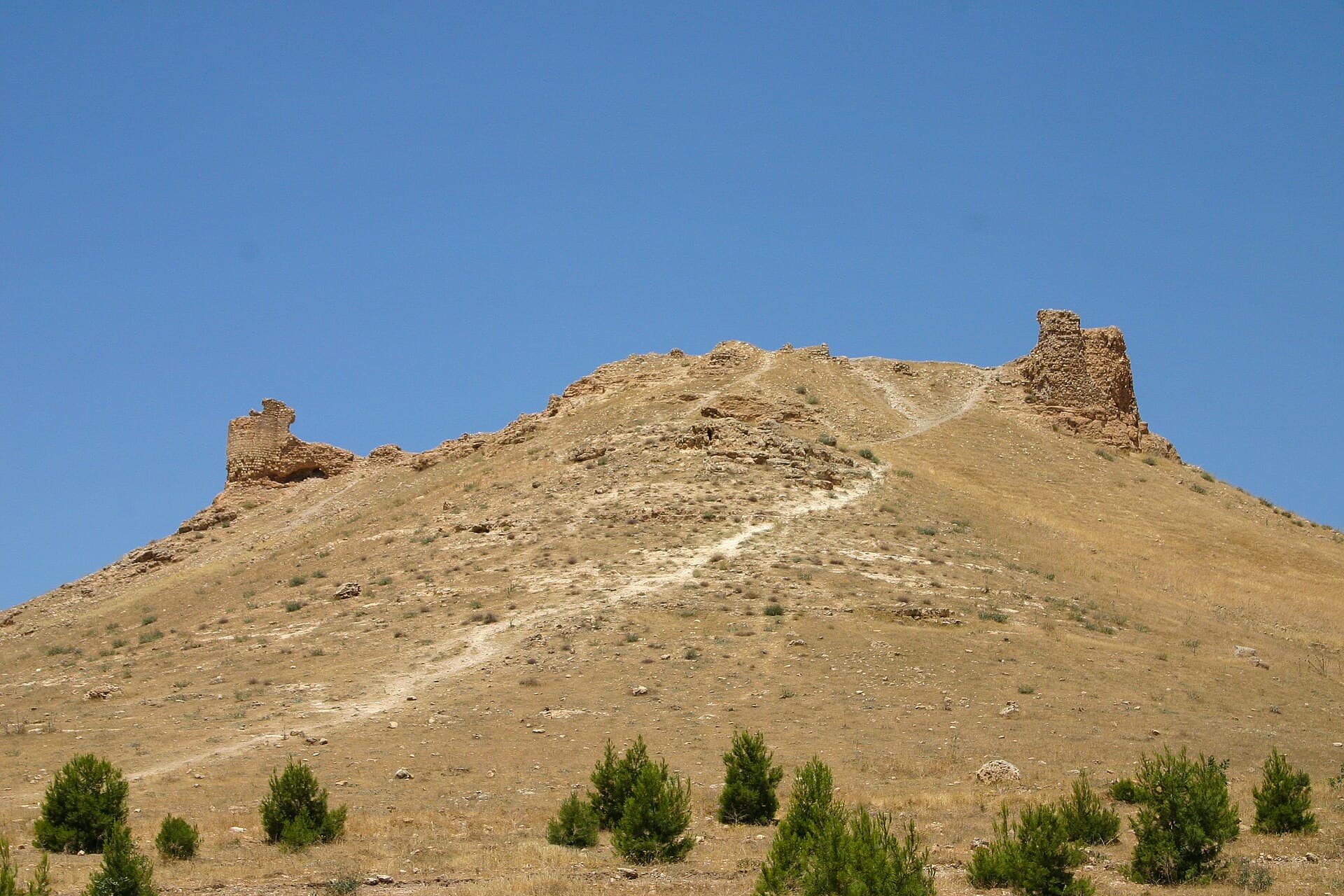 Al-Hasakah · 12th-13th century
Qal’at Sukkara
An Ayyubid-Mamluk hilltop garrison on Mount Abdulaziz, 35 km south-west of Al-Hasakah: four ruined towers, five rock-cut wells, a stucco dome, and access notes.
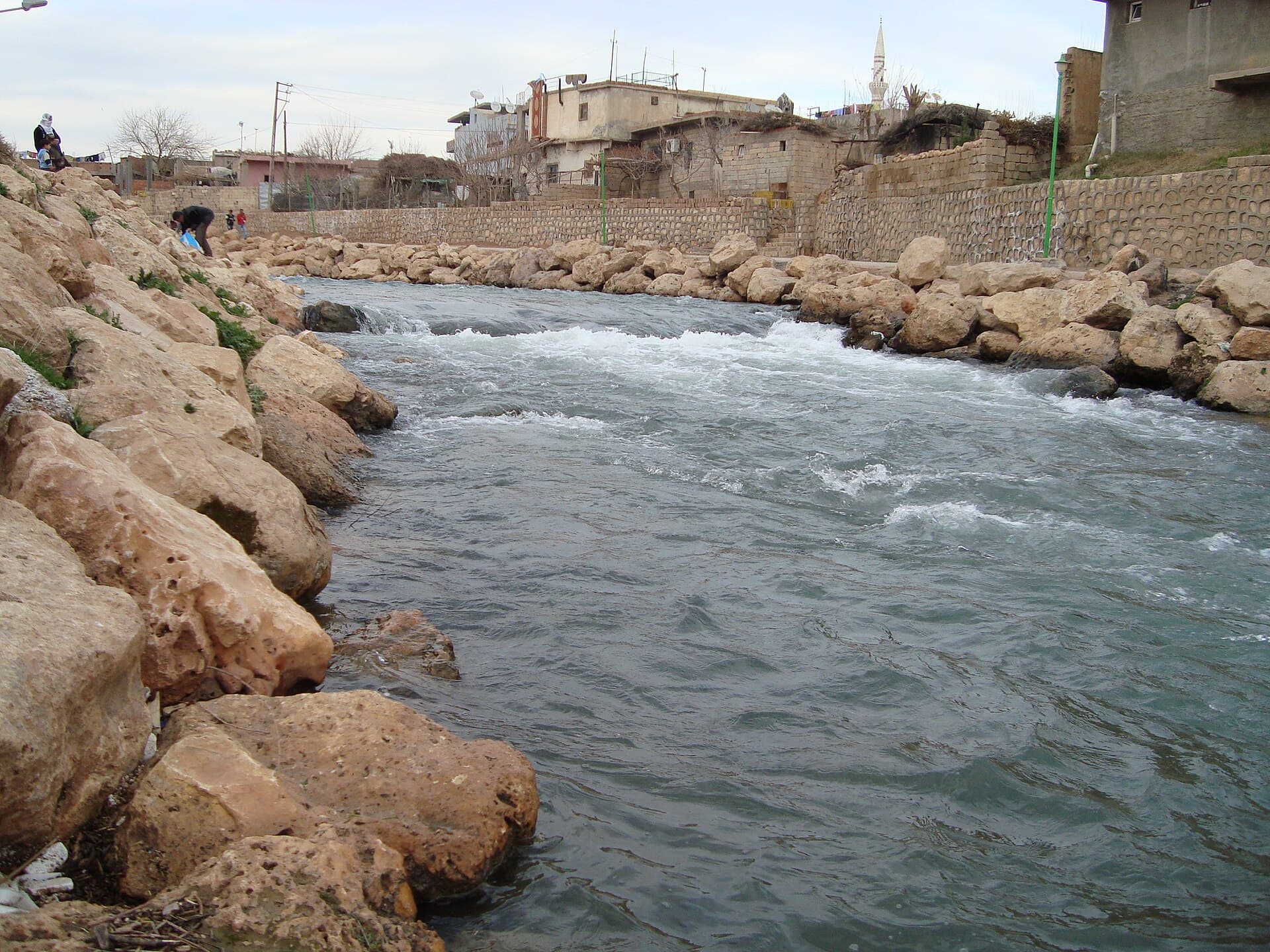
 Hasakah · from Assyria to today
Ras al-Ayn and the Khabur Springs
Ras al-Ayn, the border town at the springs that feed the Khabur: Roman Rhesaina, Byzantine Theodosiopolis. Its name, its history and why access today is unclear.
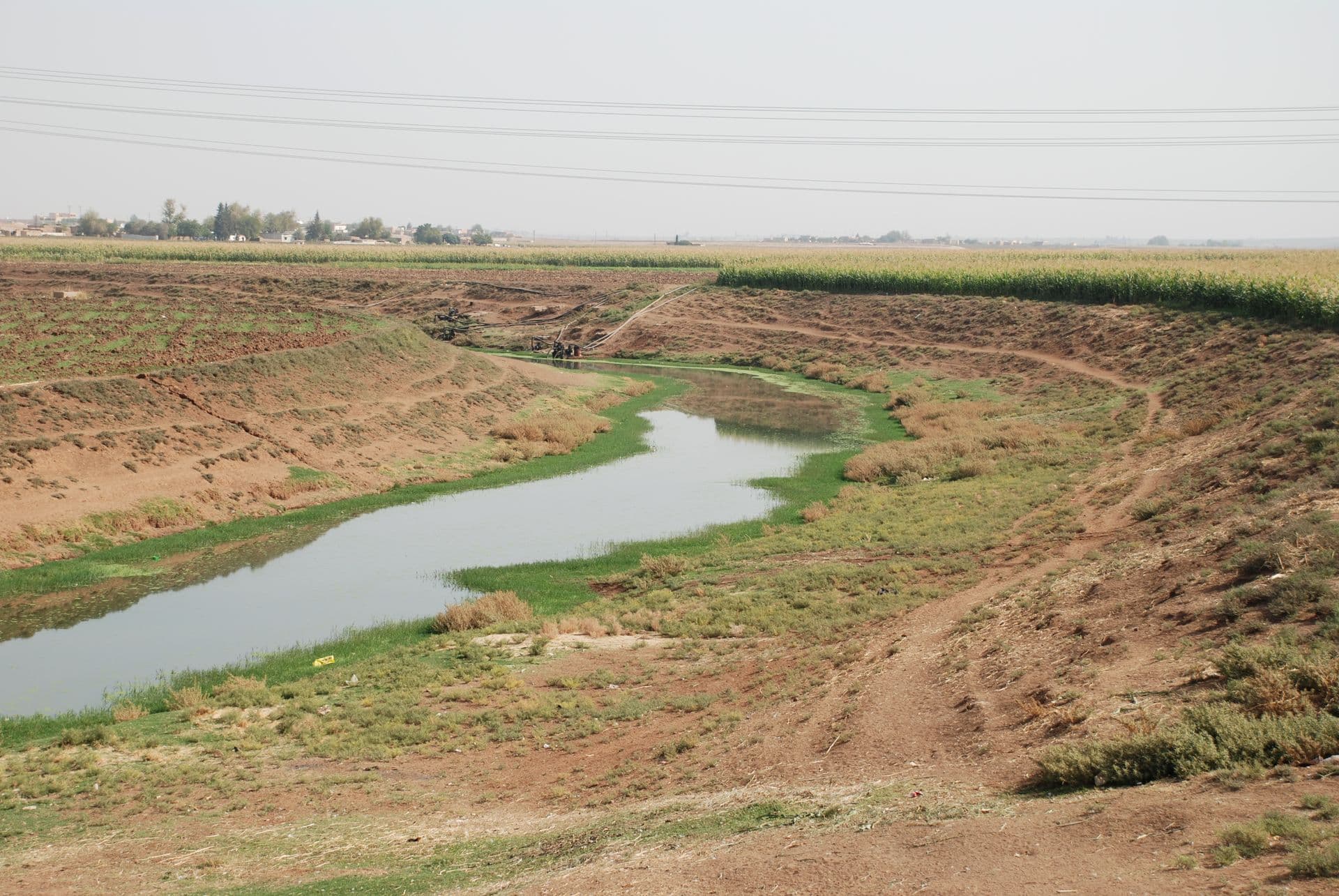
 Hasakah · from Qamishli to the Khabur
The Jaghjagh River
The Jaghjagh rises in Tur Abdin, runs through Qamishli and joins the Khabur in Hasakah: 124 kilometres long, once the Mygdonius, and dry in town for a decade.
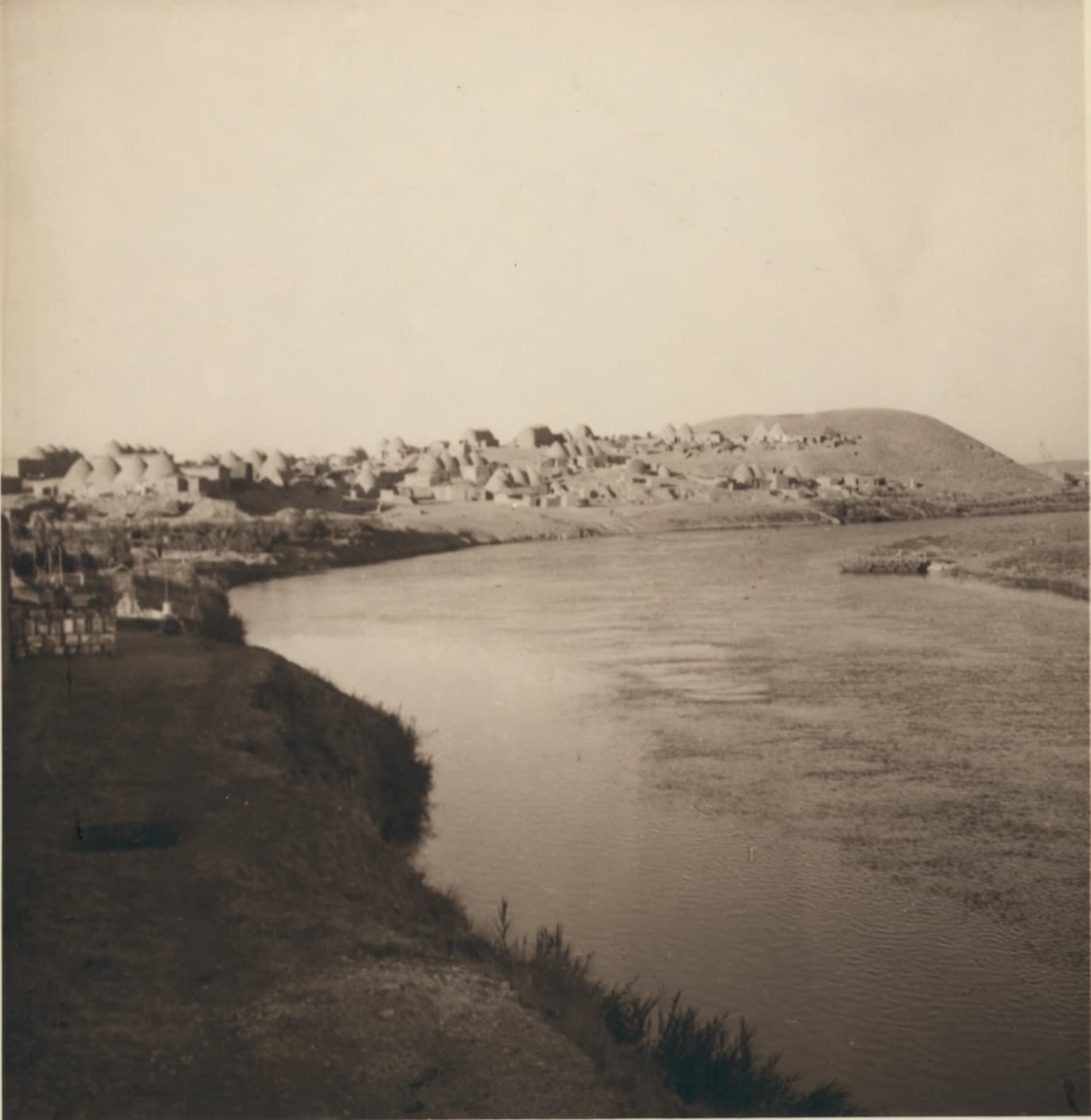 Hasakah · 1930s
Tell Tamer
The Khabur town founded in the 1930s by Assyrians from Iraq, hub of their riverside villages. What the name means, how the villages began, 2015 and what is left.
Where to eat
- Hasakah · winter breakfast
Khmei’a
Torn saj bread with melted ghee and hot milk poured over it. A winter breakfast and Ramadan dish from the Arab villages around Hasakah, Qamishli and Deir ez-Zor.
- Hasakah · winter soup
Habbiyeh
Whole wheat and chickpeas soaked overnight, then cooked in bone broth with meat browned in ghee. Hasakah's two-day winter soup, where the grains stay whole.
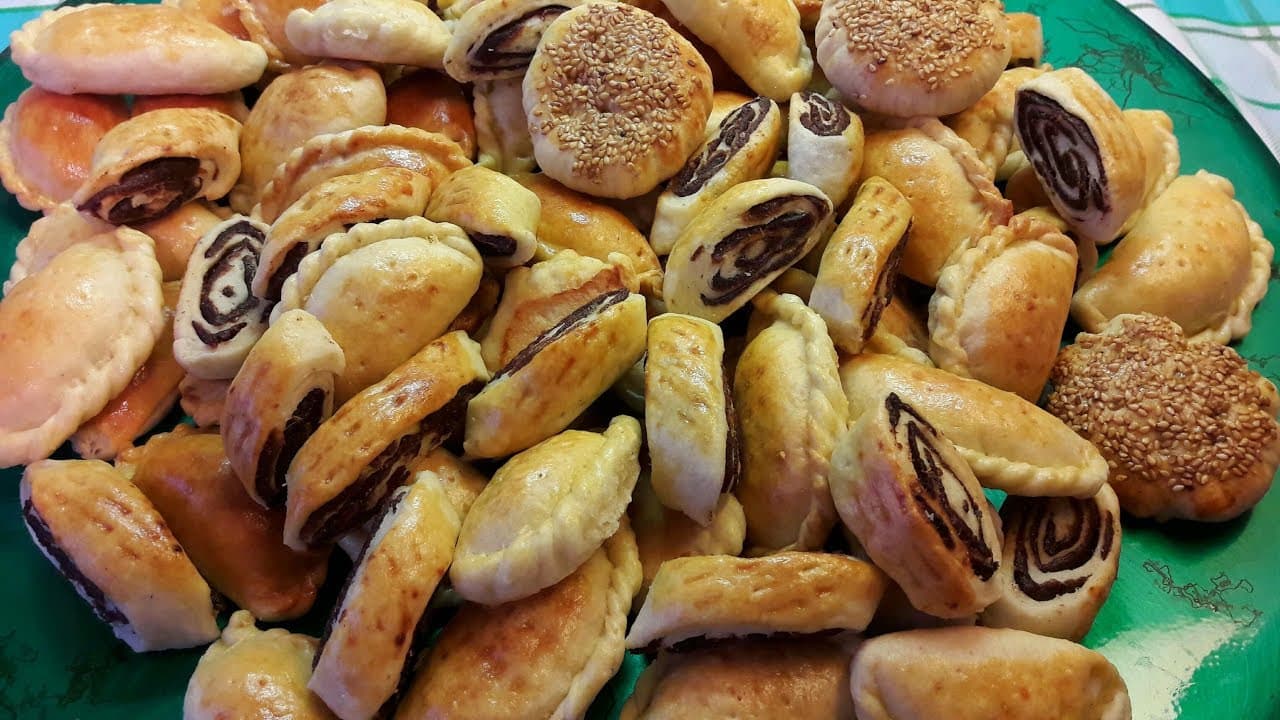 Hasakah · feast cookie of the Jazira
Kleicha, the feast cookie of the Jazira
Filled with date paste, walnut or coconut, and scented with cardamom and nigella. In the Jazira the same tray is baked for Easter and for Eid al-Fitr alike.
Ready-made routes
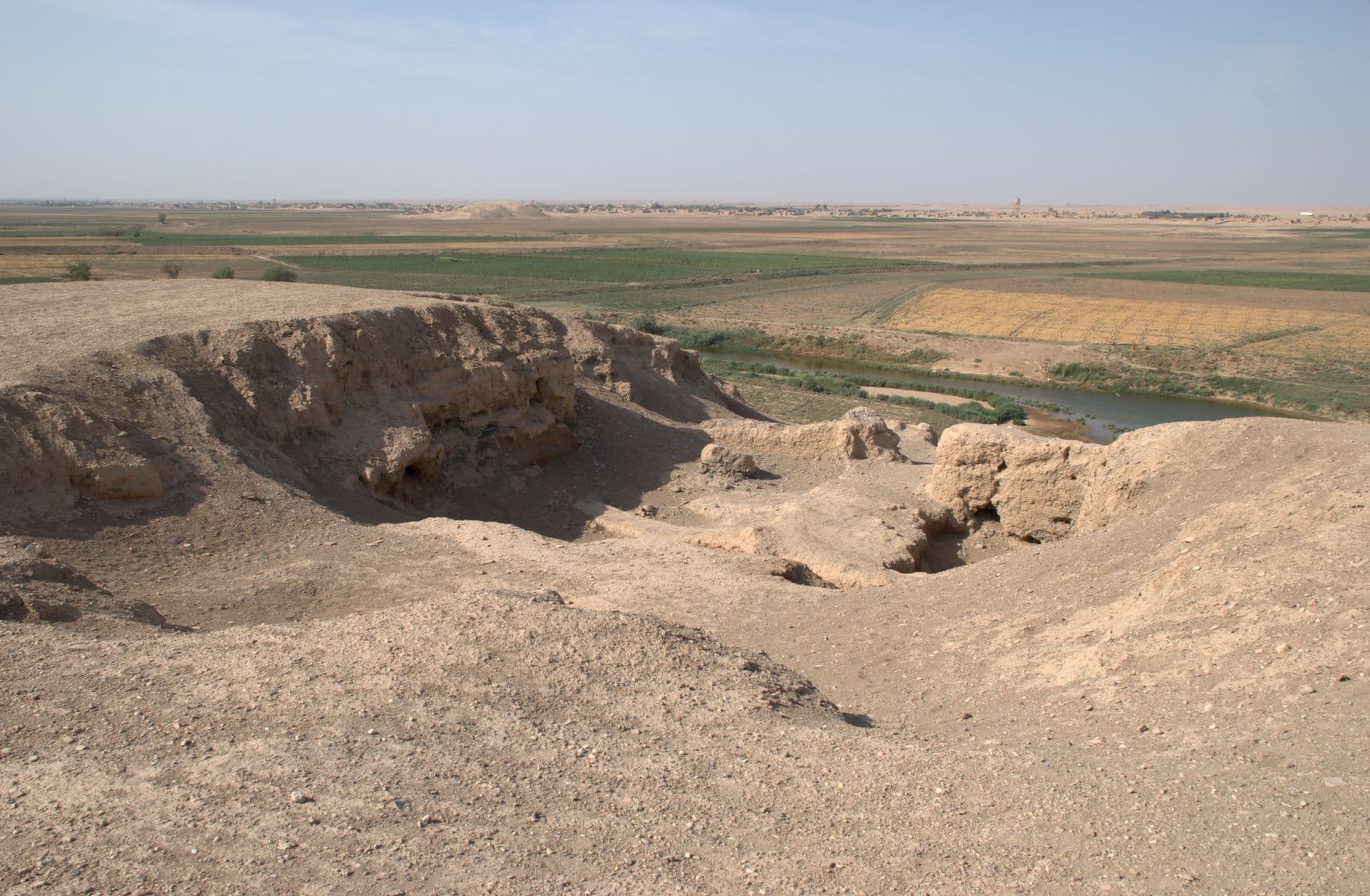 By car · 1 long day, one way
Down the Khabur: a day of tells from Hasakah to Deir ez-Zor
A one-way day down the lower Khabur from Hasakah to Deir ez-Zor, past the tells of Thannuris, Tabetu, Shadikanni and Dur-Katlimmu. 222 kilometres, hour by hour.
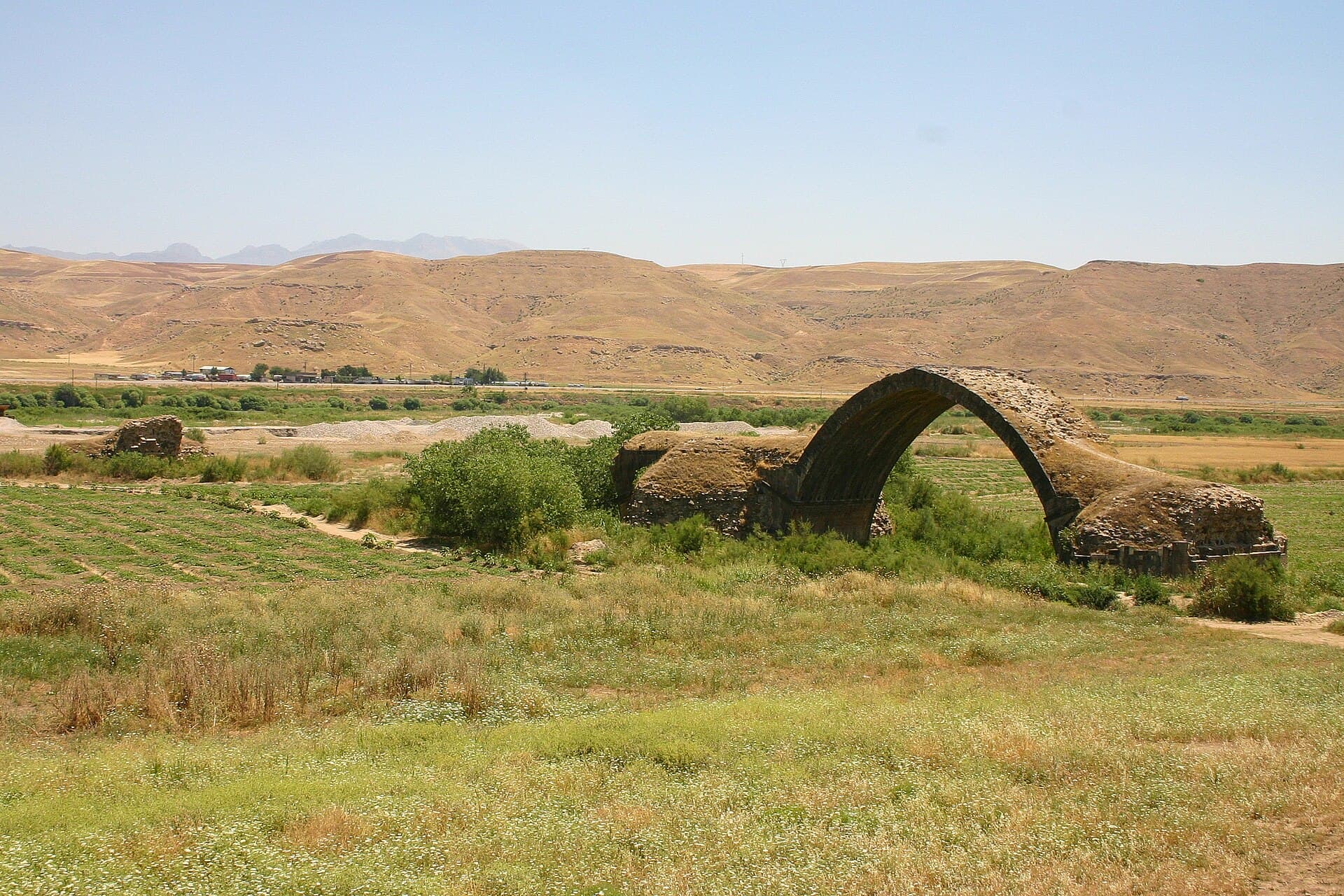 By car · 2 days
Two days across the Jazira: from Hasakah to Qamishli and the Tigris plain
480 kilometres in north-east Syria over two days: two mounds at the sources of the Khabur, a third in the Khabur triangle, and a lone arch on the Tigris plain.
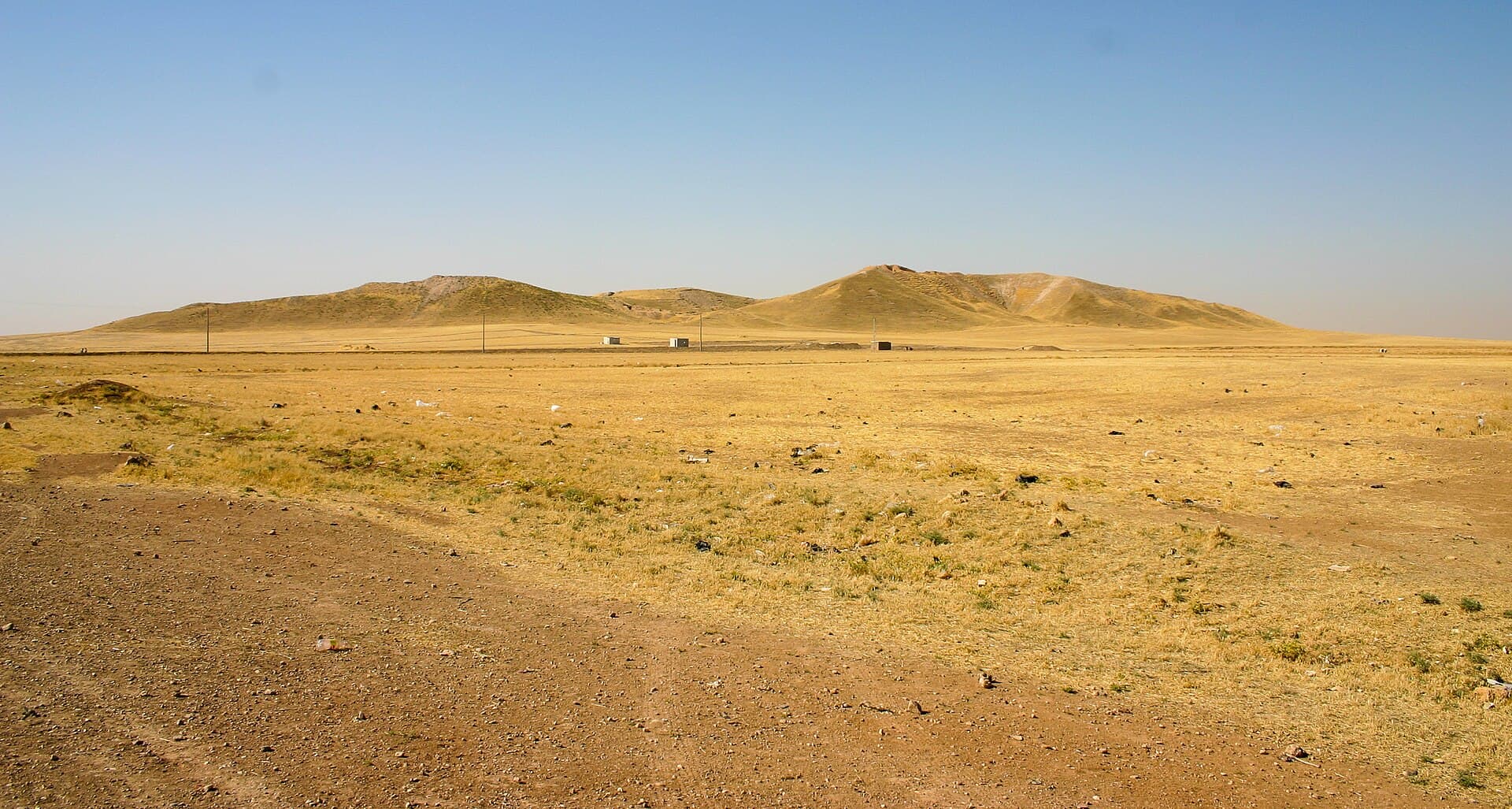 By car · 1 day
Two tells from Hasakah: Nabada and Nagar
Two Mesopotamian cities in one day: Tell Beydar to the north, Tell Brak to the north-east. 176 kilometres, built as a loop back through Hasakah, hour by hour.
Transparency
- How this was chosen
- The answer on this page is written by hand. The lists are built from published records tied to this city and grow on their own as records are added.
- Facts checked
- September 2026
- Last updated
- September 15, 2026