Featured places
Mosques, caravanserais, souks, museums — and why they are worth the walk.
813 Places
Tell Hadidi (Ancient Azu)
Azu, a 135-hectare Bronze Age town on the west bank of the Euphrates: a Tablet Building burnt in the 15th century BC, Yaya’s will and links to Emar and Ekalte.
Aleppo · Early Bronze – Late Bronze Age (around 3300–1200 BC); Roman and Islamic remains
Tell Aran, Site of Ancient Arne
Tell Aran, southeast of Aleppo, is the largest mound in the region at 30 metres high, and probably Arne, first capital of the Aramaean kingdom of Bit Agusi.
Aleppo · Iron Age — Aramaean
Sarmin, the Ismaili Soap Town East of Idlib
Sarmin, east of Idlib: an Ismaili mission house, Crusader rule from 1106, soap Ibn Battuta saw sent to Cairo, two old bathhouses, rock-cut caves, Roman cisterns.
Idlib · Roman — Crusader — Ayyubid — Mamluk — Ottoman
Salqin, an Olive Town above the Orontes Valley
A town 46 km north-west of Idlib, at 460 metres above the Orontes valley: Surani olives, spring-fed orchards and a ruined castle listed by Ibn Shaddad.
Idlib · Ancient tradition — medieval castle — present day
Sfire (as-Safira) and the Sefire Steles
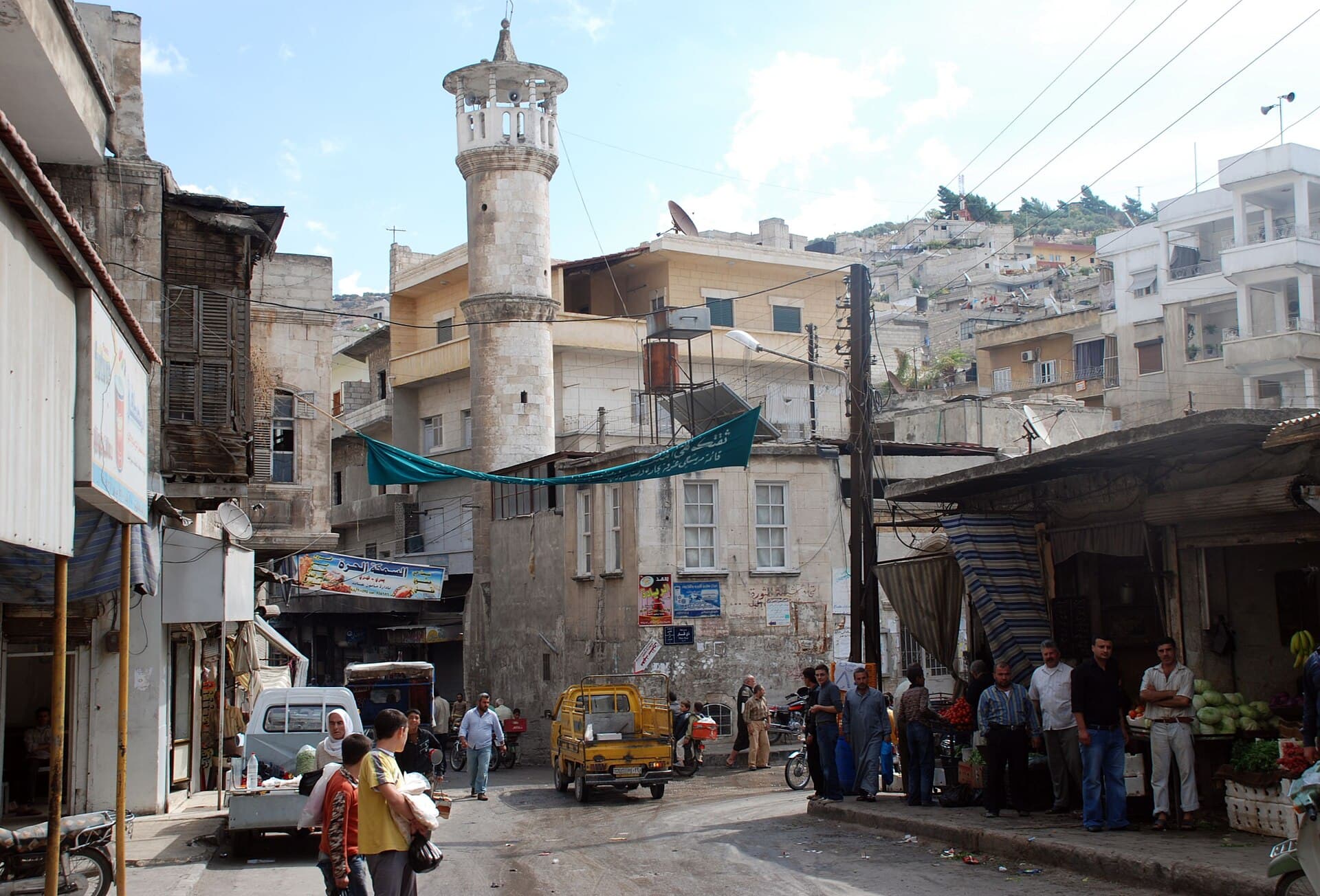
As-Safira, southeast of Aleppo, was the old market for Jabbul salt. The 8th-century BC Aramaic treaty steles were found here; today they are in Damascus and Beirut.
Aleppo · Iron Age — medieval — present day
The Sajur River, Syria
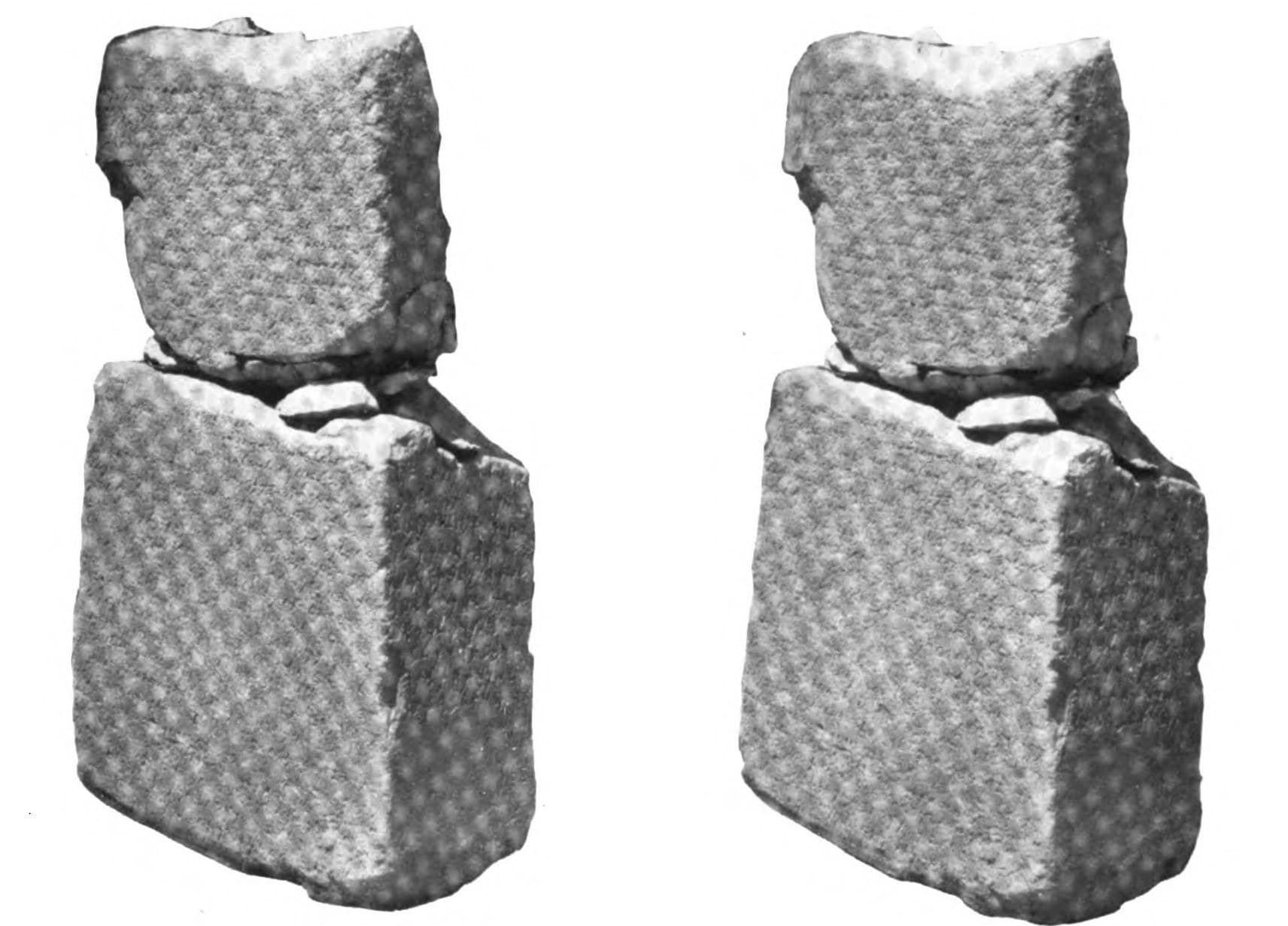
The 108 km Sajur rises near Gaziantep, cuts across the Manbij Plain and meets the Euphrates in Lake Tishrin: its valley, flow, Palaeolithic finds and falling water.
Aleppo · Natural; settlement in the basin from the Lower Palaeolithic to today
The Ruj Plain, a Drained Lake Basin West of Idlib
An 804 square kilometre basin ringed by the Harim hills: a lake drained before 1955, the Neolithic mound of Tell Ain el-Kerkh, and a route used by Assyrian armies.
Idlib · Neolithic — Late Antiquity; lake drained before 1955
Kafr Takharim, Hananu’s Hometown on the Old Antioch Road
An olive town 12 km south of Harim, between two ridges, where stones of the old road to Antioch survive and Ibrahim Hananu, who led the 1919 revolt, was born.
Idlib · Ancient road — Ottoman — French Mandate
Qibar (‘Arsha wa-Qibar), a Yazidi Village near Afrin
A Yazidi village 5 km north-east of Afrin and the traditional seat of the Darwish family, with ancient settlement remains, inscribed caves and three shrines nearby.
Aleppo · Ancient settlement area; mentioned by Yaqut al-Hamawi
Kafr Latah, a Medieval Village of Stone Tombs near Ariha
A village south-east of Ariha on Jabal al-Arbain: taken by Tancred in 1110, described by Yaqut for its gardens, and noted by Burckhardt for its stone sarcophagi.
Idlib · Roman — Byzantine — Crusader — Ayyubid
Carchemish Outer Town, Syrian Side
35 of Carchemish’s 90 hectares lie in Syria: the Outer Town north of Jarabulus, the railway border that splits the site, the Woolley and Lawrence digs, access today.
Aleppo · Bronze Age – Iron Age (Neo-Hittite, Neo-Assyrian); Europus in the Roman period
Haradara Bridge on the Baghdad Railway
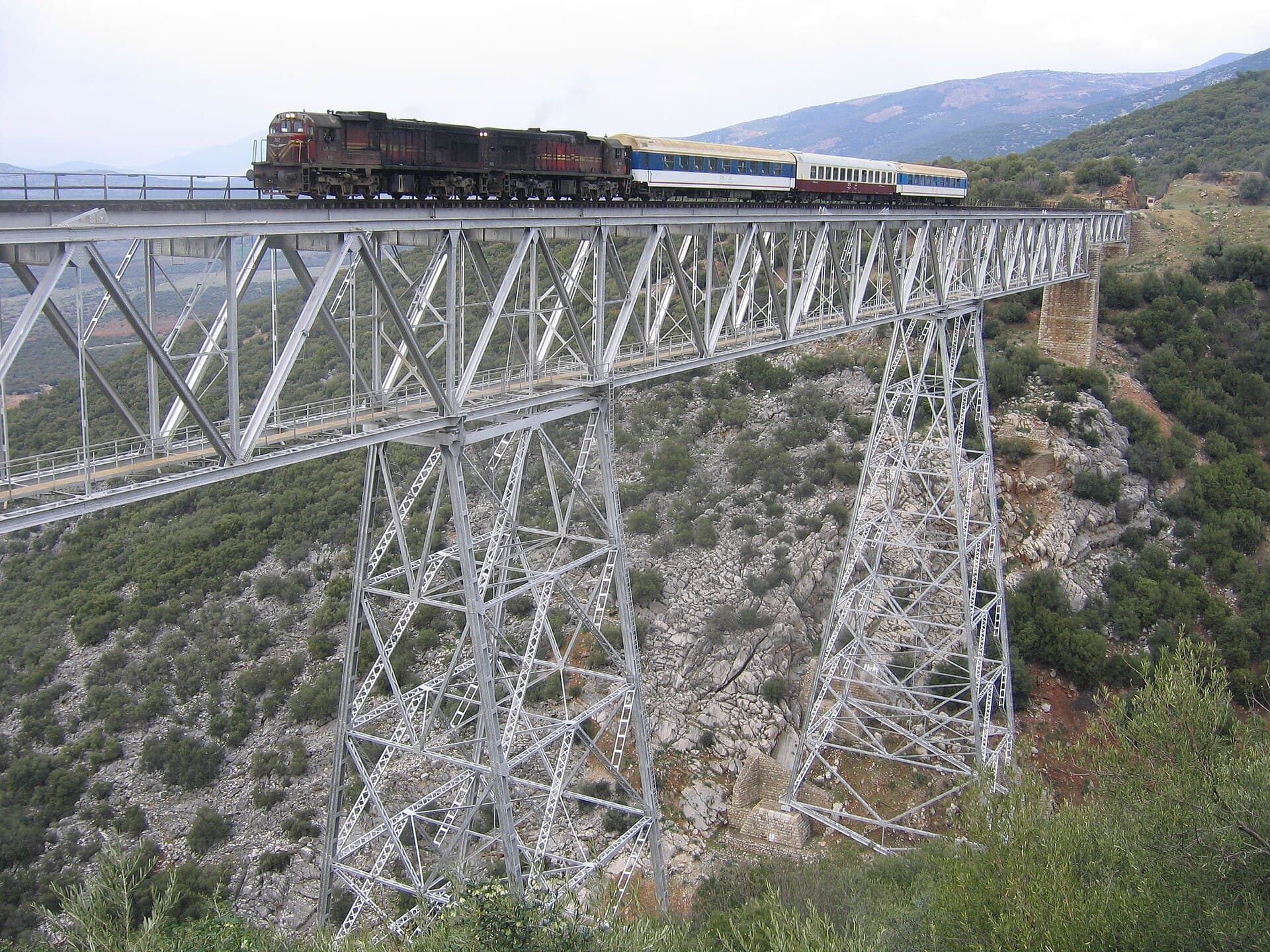
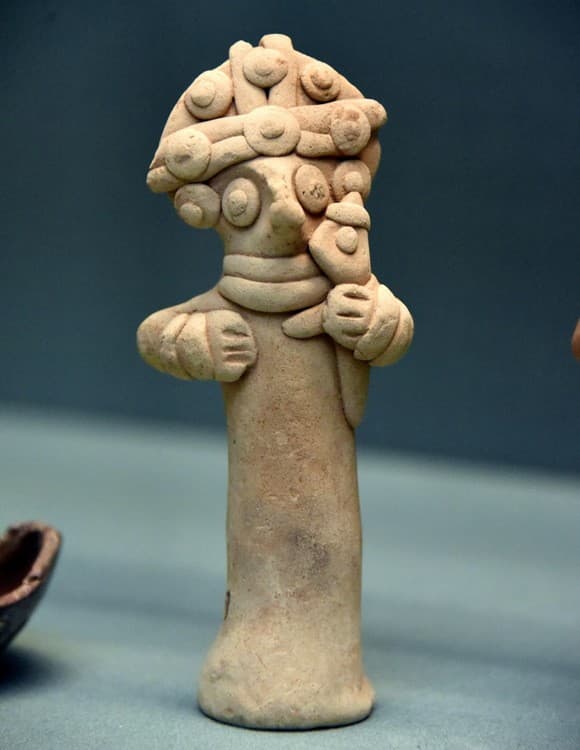
A steel bridge of 1913 that carries the Baghdad Railway over a canyon near Rajo: about 310 metres long and 80 metres high. Trains still crossed it in 2007.
Aleppo · Ottoman, Baghdad Railway