Featured places
Mosques, caravanserais, souks, museums — and why they are worth the walk.
813 Places
Tell Tamer
The Khabur town founded in the 1930s by Assyrians from Iraq, hub of their riverside villages. What the name means, how the villages began, 2015 and what is left.
Hasakah · 20th century · Assyrian settlement
Tell Tuneinir (Thannuris)
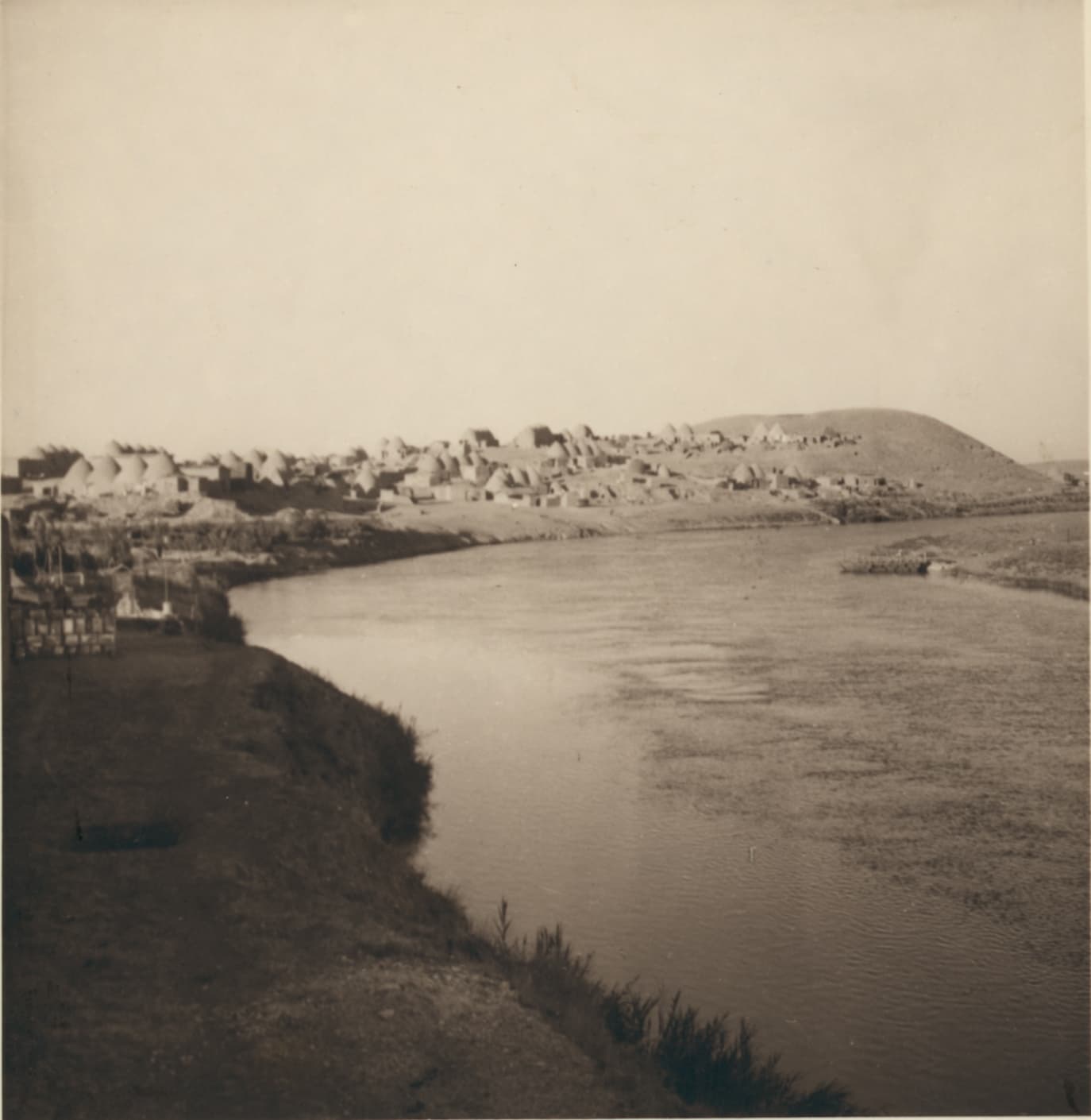
40 hectares on the east bank of the Khabur, lived in from 2700 BC to AD 1401: Justinian’s frontier fortress of Thannuris and a church used for six centuries.
Hasakah · Ninevite V — Roman-Byzantine — Islamic — Ottoman
Tell Taban (Tabetu)
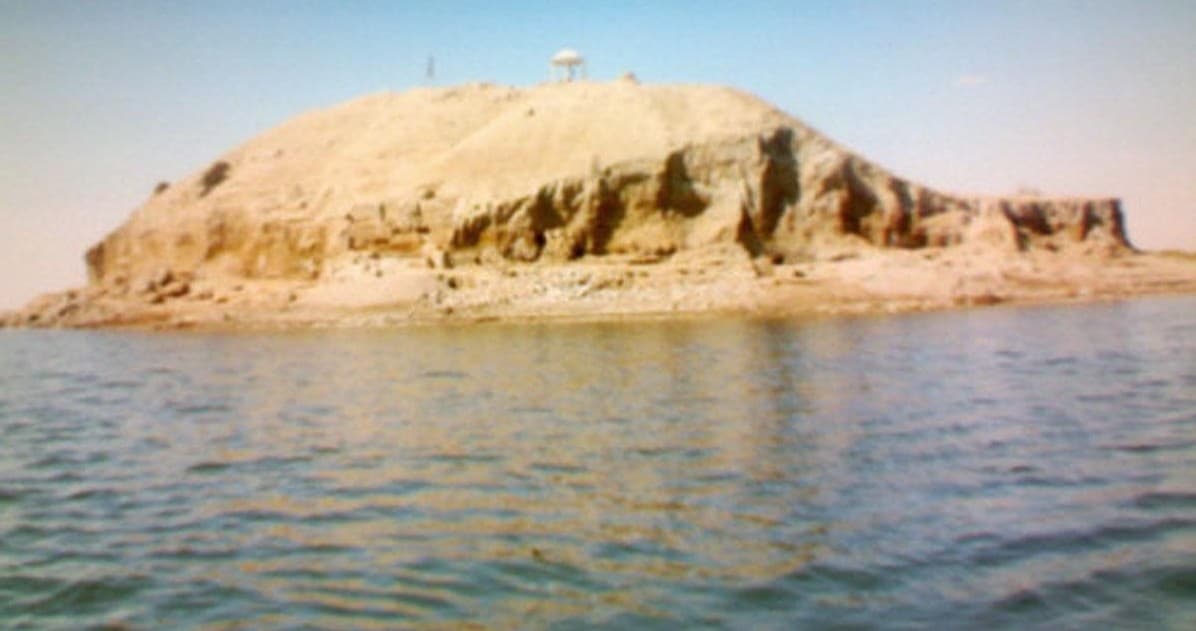
A mound left as an island in the Hasakah dam reservoir: ancient Tabetu, where local vassals of Assyria called themselves kings of Tabetu and the Land of Mari.
Hasakah · Old Babylonian — Hana — Middle Assyrian
Tell Sabi Abyad
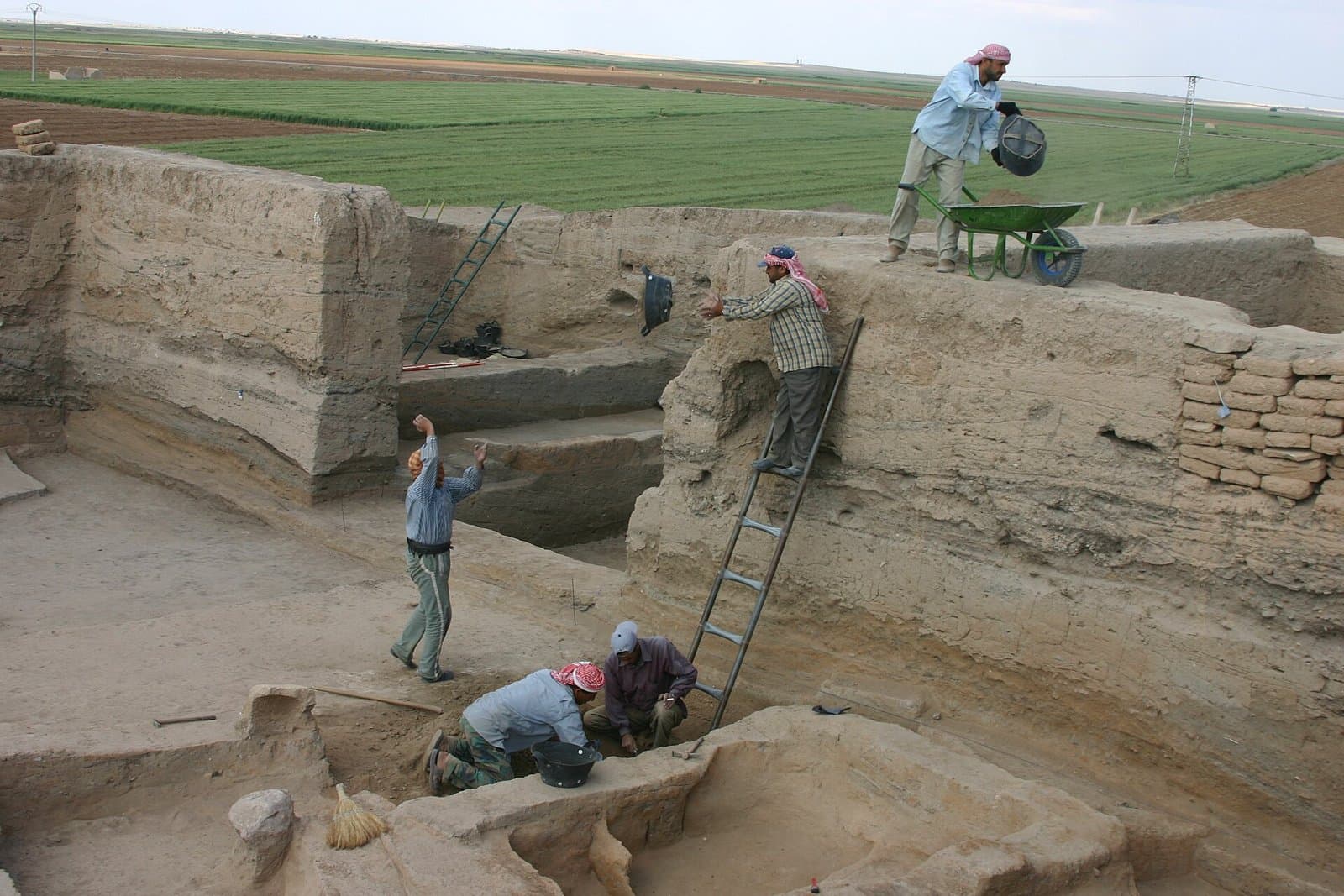
Four mounds in the Balikh valley north of Raqqa: Syria’s oldest known pottery, a burnt village full of seal impressions, and a Middle Assyrian fort on top.
Raqqa · Neolithic (7500–5500 BC), Halaf; Middle Assyrian (13th–12th century BC)
Tell Sakka, a Bronze Age Palace near Damascus
A mound 25 km southeast of Damascus that yielded a Middle Bronze Age palace with wall paintings and a cuneiform tablet addressed to Zimri-Lim. Check access.
Damascus · Middle and Late Bronze Age
Tell Masaikh (Kar-Ashurnasirpal)
An Assyrian town on the east bank of the Euphrates, 5 km upstream of Terqa: a river-crossing city of Ashurnasirpal II, a governor’s palace and a stele to Nabu.
Deir ez-Zor · Neo-Assyrian, from about 877 BC to the late 8th century
Tell Munbaqa (Ekalte)
Ekalte, a Bronze Age town on the east shore of Lake Assad that stayed above the water: double walls, four temples and about 96 cuneiform tablets on land sales.
Raqqa · Akkadian to Late Bronze Age (late 3rd millennium – around the 14th century BC)
Tell Hazna (Tell Khazna)
A 17-metre mound 25 km north-east of Hasakah: mud-brick terraces and an 8-metre tower from 2900-2700 BC, and a debate over whether it was a temple or a granary.
Hasakah · Ubaid — Uruk — Early Dynastic
Tell Chuera
A 65-hectare ring-shaped Bronze Age city between the Balikh and the Khabur: planned streets, stone buildings and a processional way lined with standing stones.
Raqqa · Early Bronze Age (2800–2350 BC); Mitanni and Middle Assyrian (Harbe)
Tell Hamidiya (Tall al-Hamidiya)
A 245-hectare Mitanni city on a bend of the Jaghjagh: two palaces, a terrace wall 21 metres thick and tablets listing beer rations for people from Egypt and Cyprus.
Hasakah · Old Babylonian — Mitanni — Middle and Neo-Assyrian
Tell Hammam et-Turkman
A 45-metre mound in the Balikh valley: ten layers from the Ubaid to the Romans, an 8-metre-wide Early Bronze Age wall and a town whose name is still unknown.
Raqqa · Ubaid, Early and Middle Bronze Age; Roman-Parthian
Tell es-Salihiyeh (Tell Firzat), Damascus
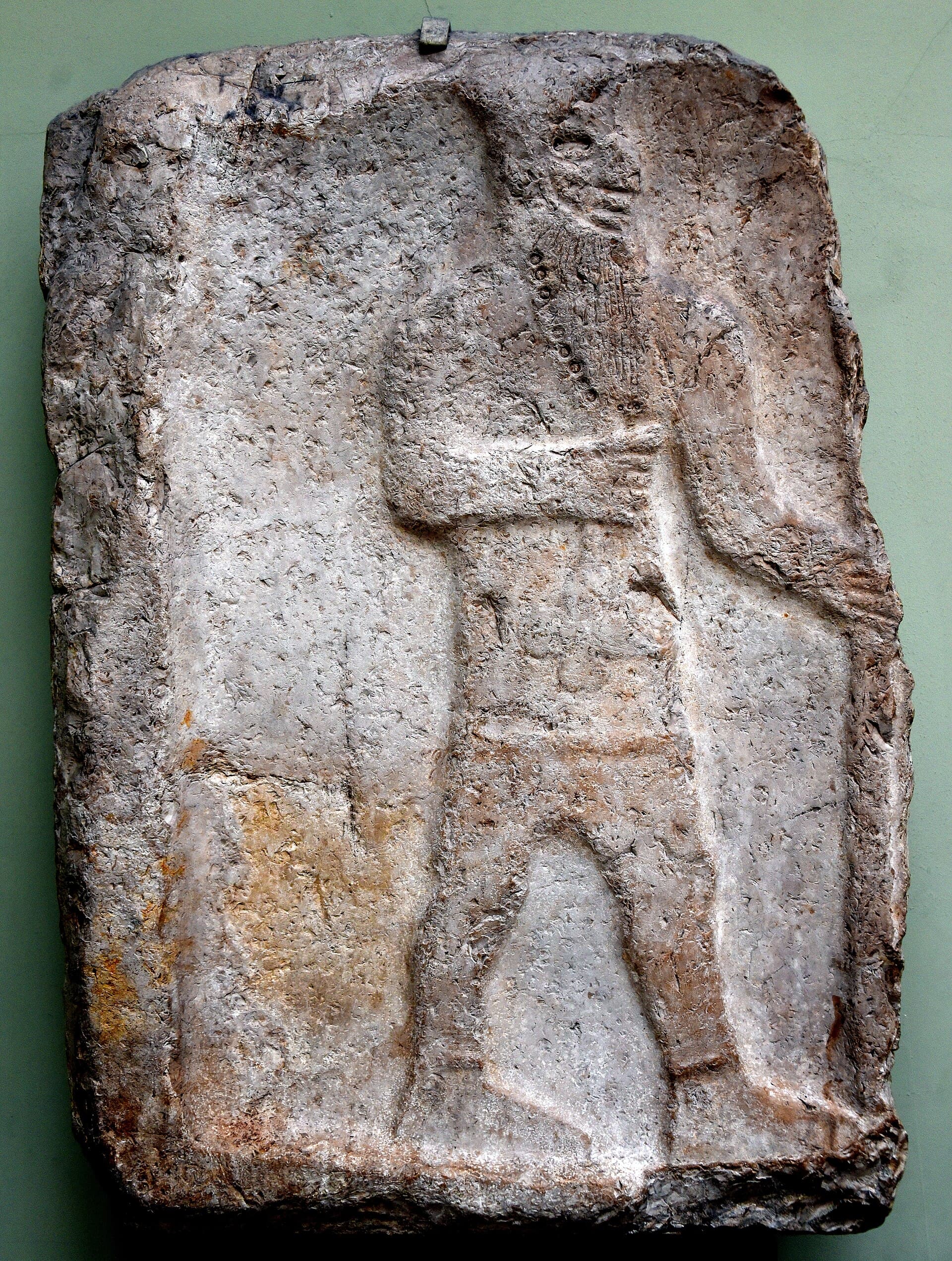
The largest mound in the Ghouta, 15 km east of Damascus: 250 by 300 metres and 25 metres high, with Bronze Age walls. Its Aramaean king stele is in London.
Damascus · Bronze and Iron Age (Amorite, Aramaean)