Featured places
Mosques, caravanserais, souks, museums — and why they are worth the walk.
813 Places
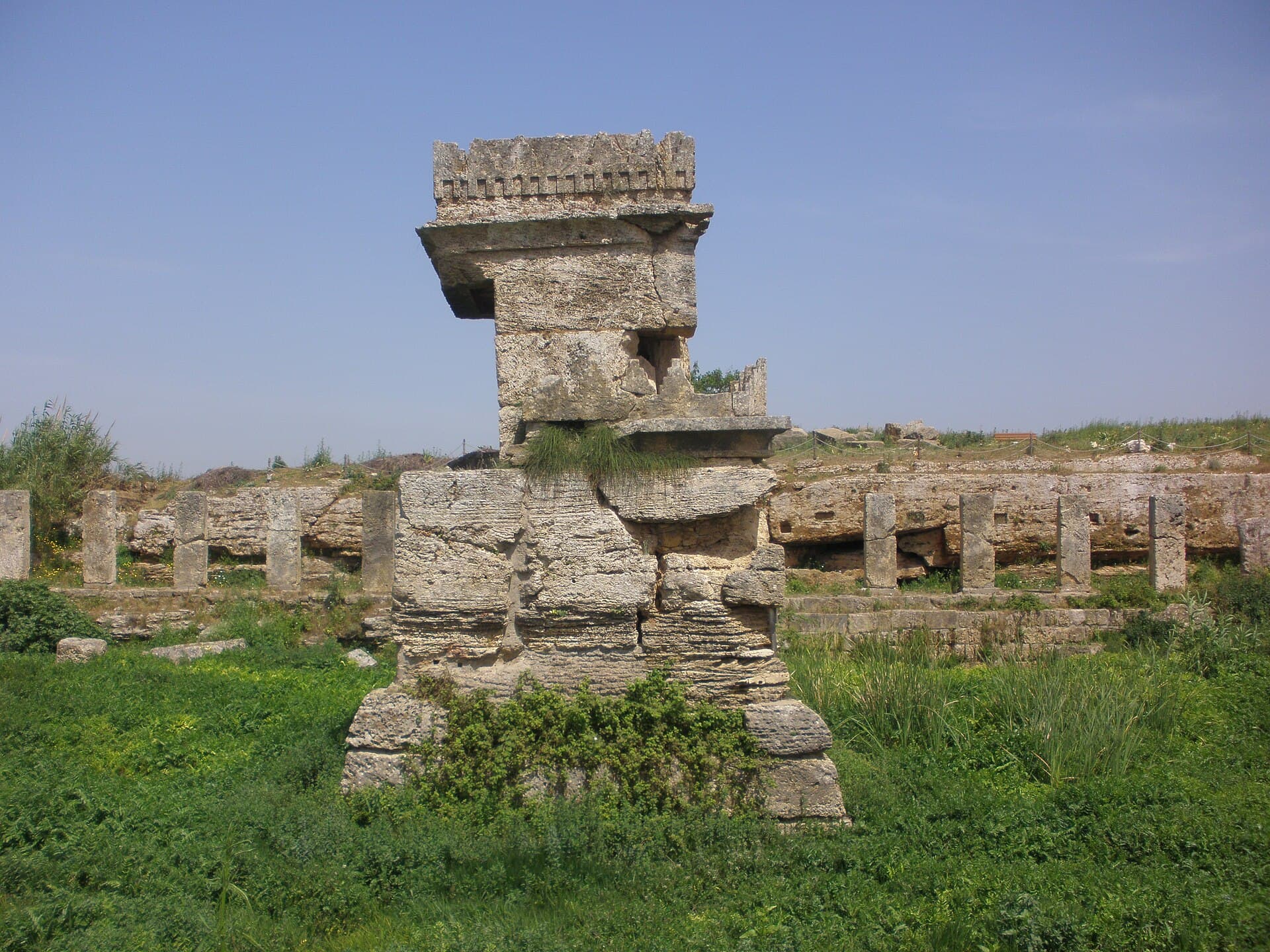
The Roman Theatre at Bosra
A Roman theatre in black basalt with an Ayyubid fortress built around it. How to get in, how long it takes, and what the war has left standing there today.
Bosra · Roman — Ayyubid
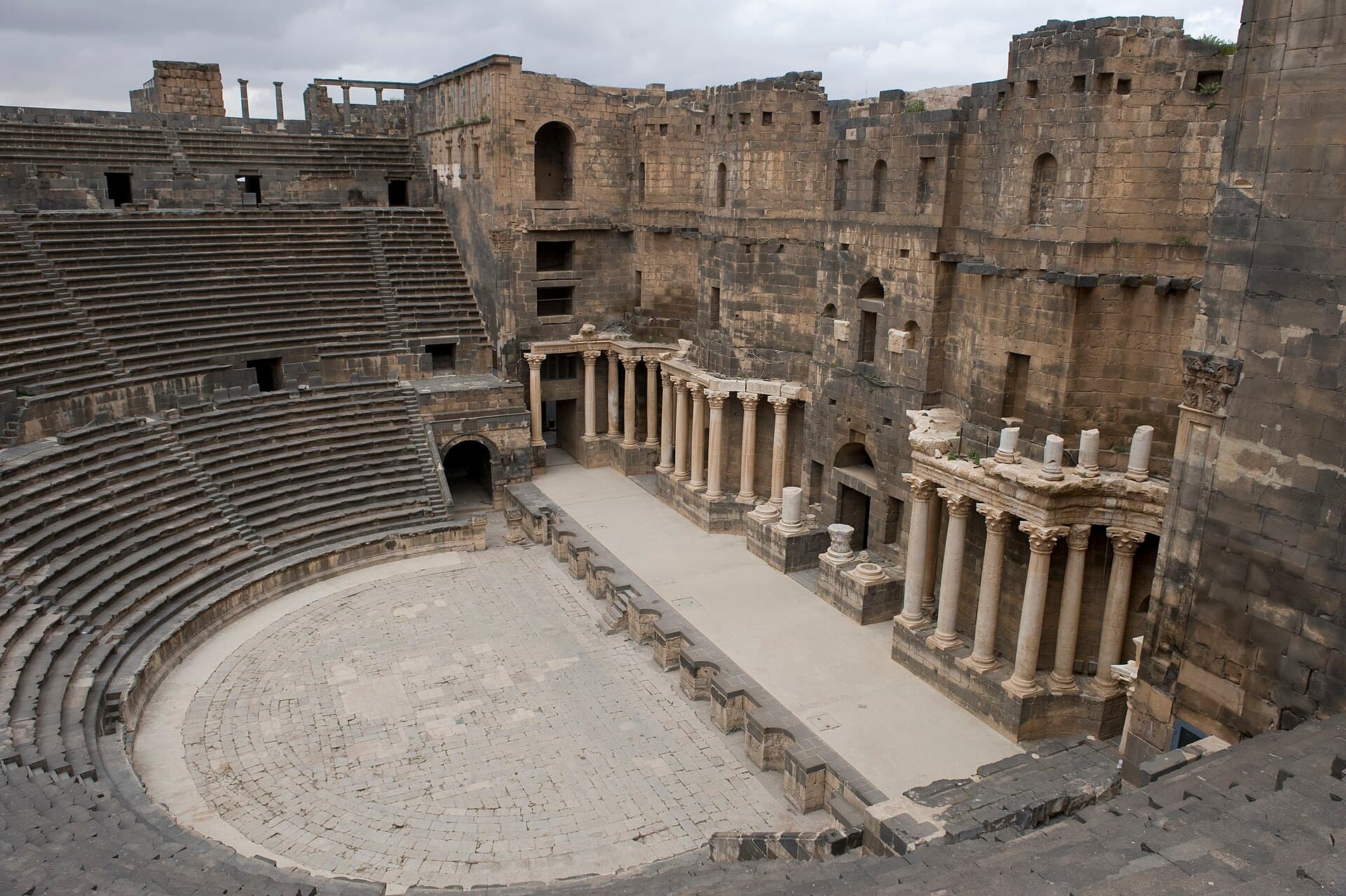
The Al-Omari Mosque in Bosra
Its foundation is dated by Umayyad inscriptions, making it one of the rare mosques left from the first century of Islam. What to see, and what the stones say.
Bosra · Umayyad — Ayyubid
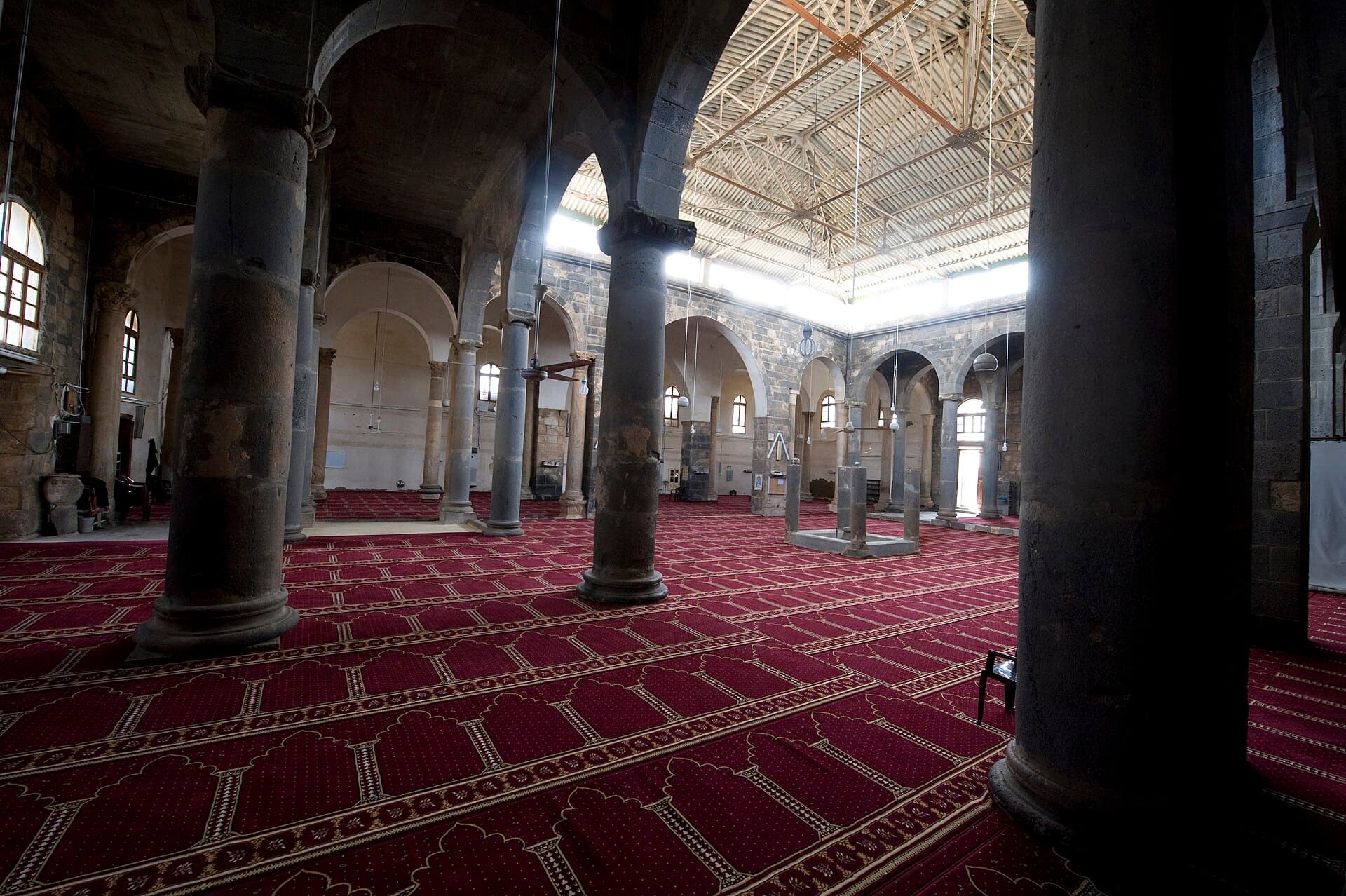
The Cathedral of Bosra
A centrally planned Byzantine church consecrated in 512, a circle set inside a square. Where it is, what survives, and how it differs from the basilica beside it.
Bosra · Byzantine
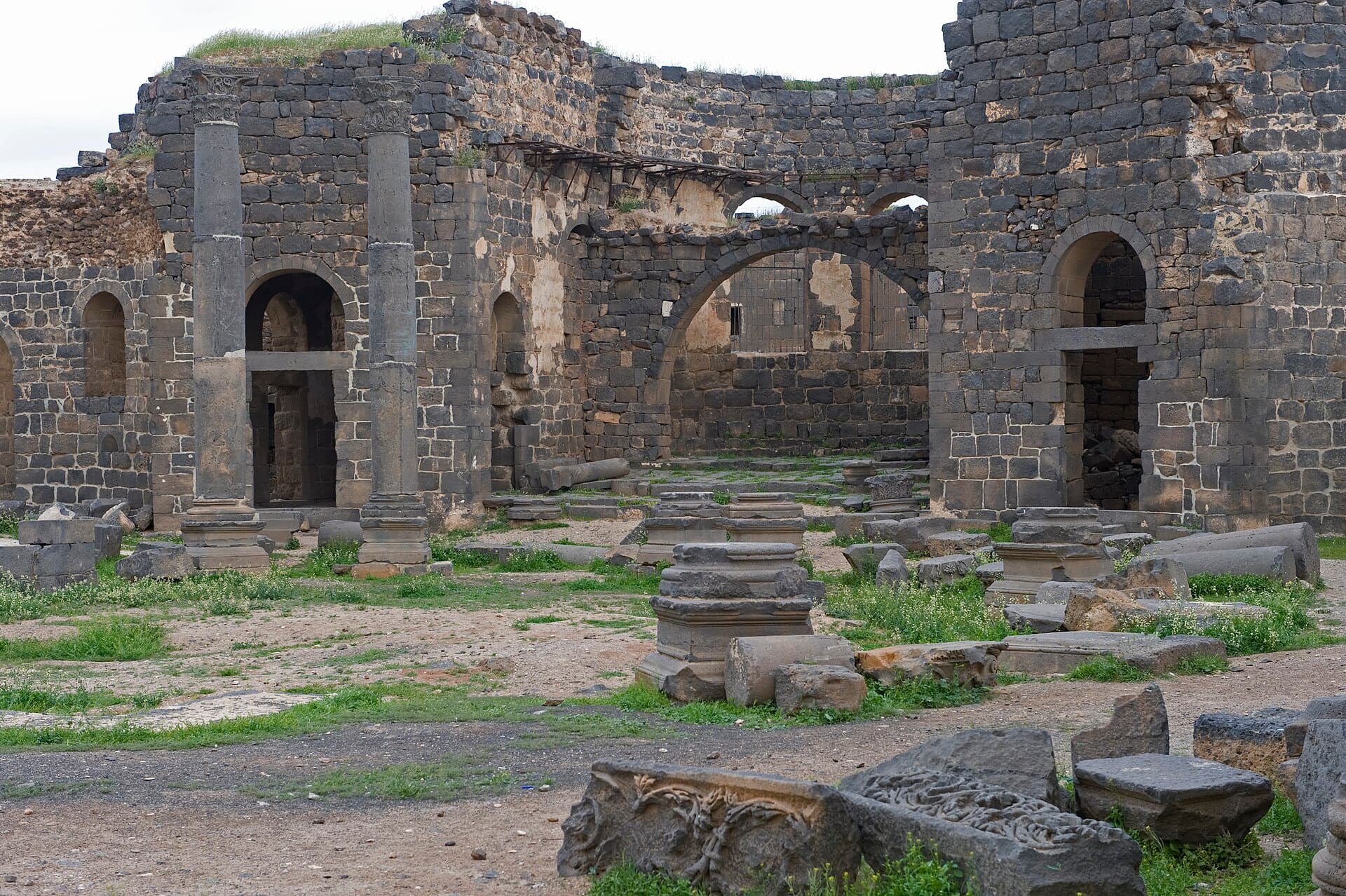
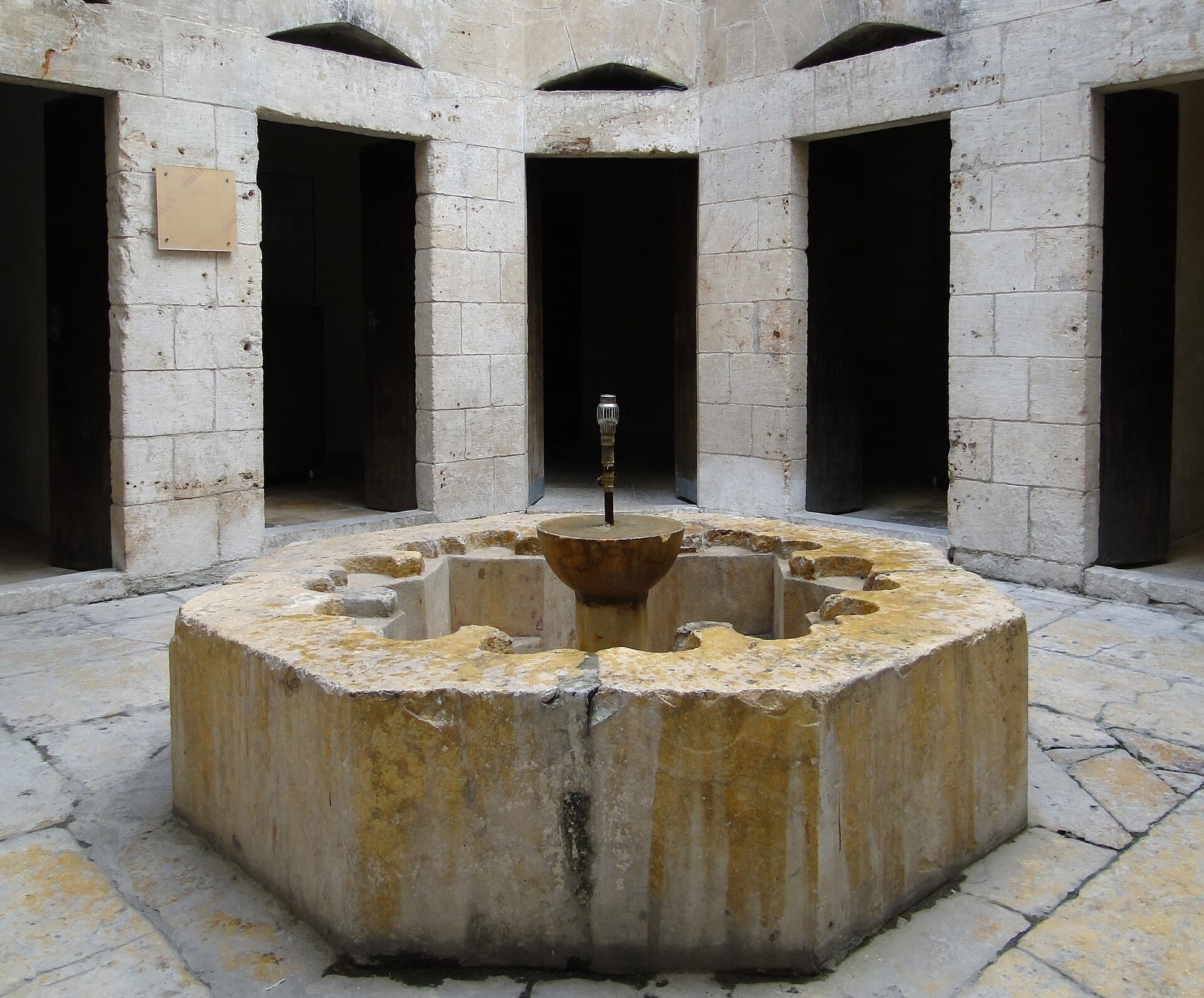
The Bimaristan Arghun
A Mamluk hospital founded in 1354: a courtyard with iwans, patient rooms around it, a fountain at its centre. Light, water and music were the treatment.
Aleppo · Mamluk
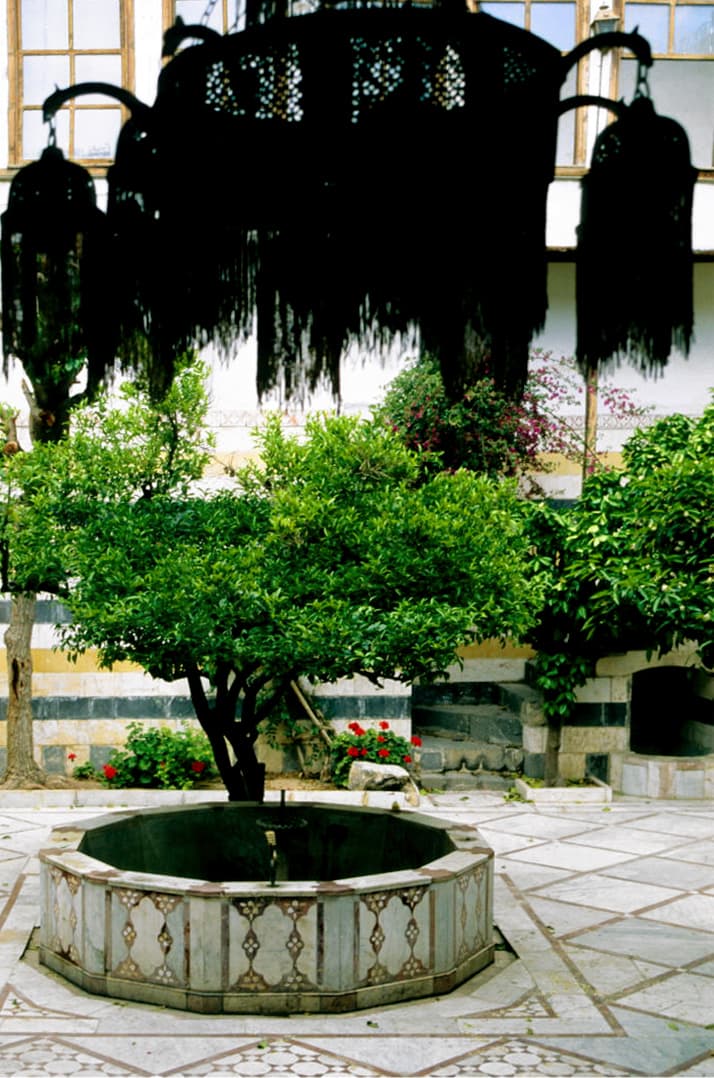
Beit Nizam
A Damascene courtyard house in Shaghour, laid out around three courtyards. The earliest date on its walls is 1760; it opened to visitors, restored, in 1994.
Damascus · Ottoman
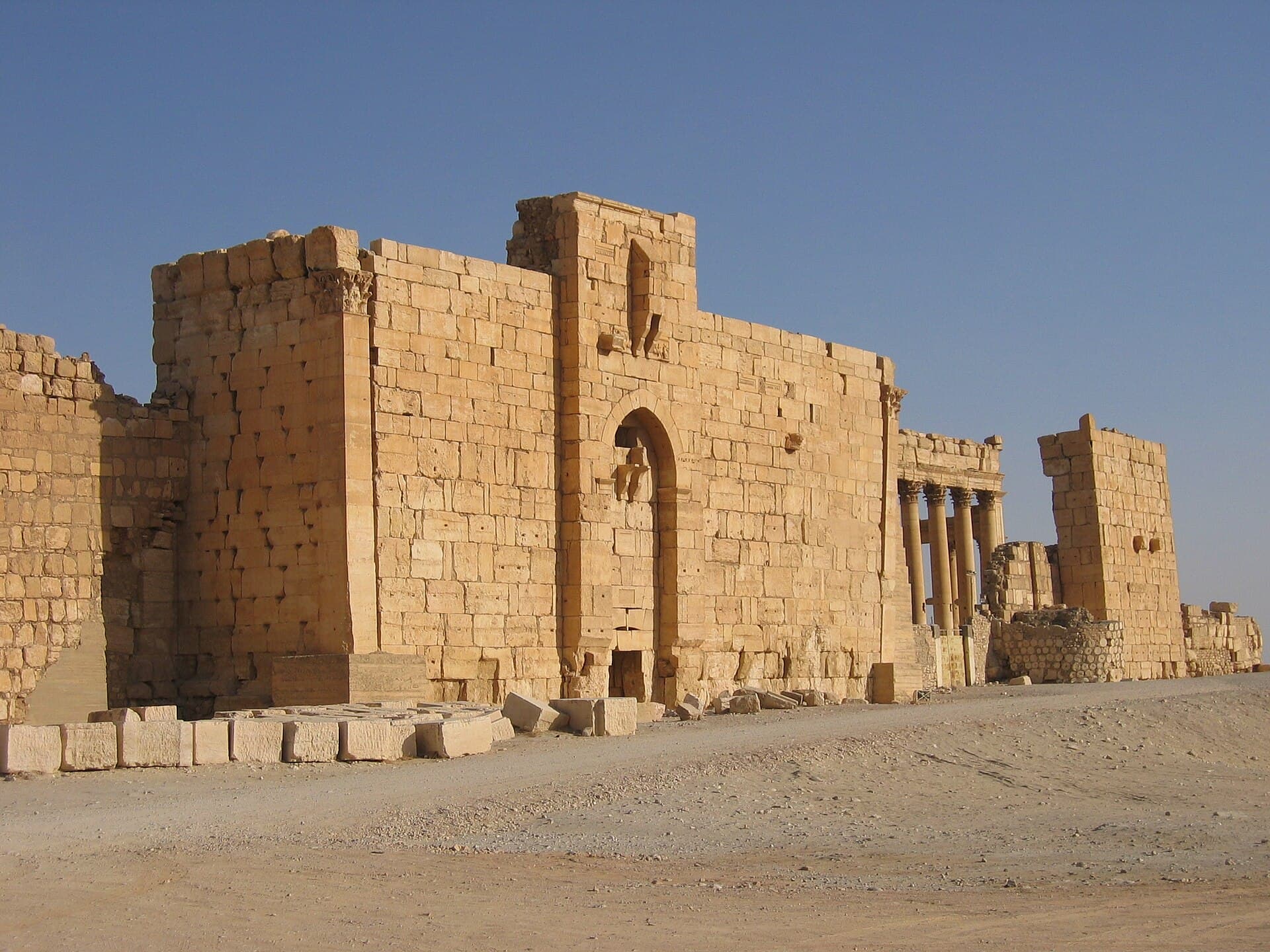
The Temple of Bel, Palmyra
Dedicated in AD 32, its main building was blown up in 2015. What stands today: the courtyard wall, the fortified gateway, rows of columns, and the repair work.
Palmyra · Roman
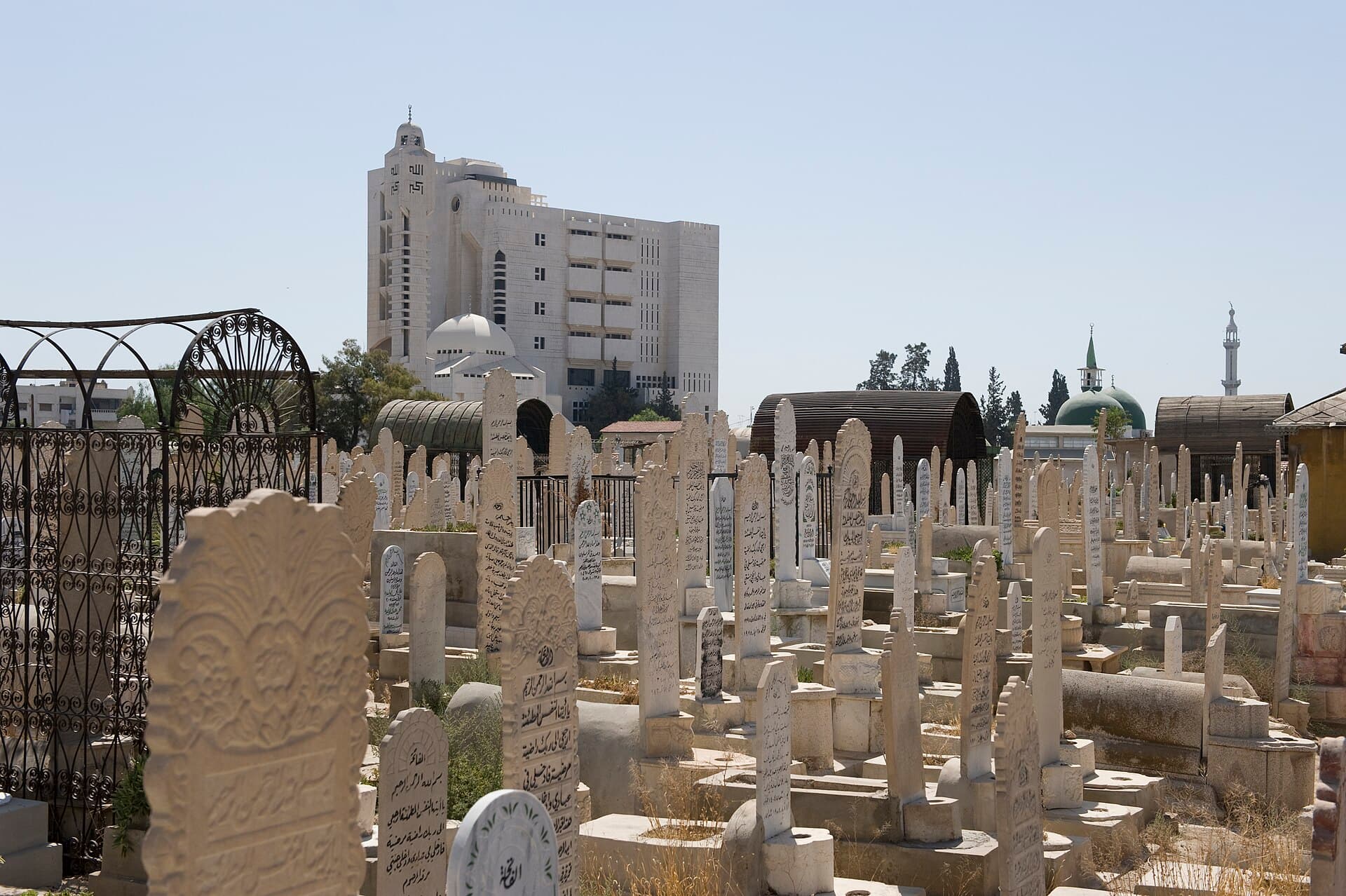
Bab al-Saghir Cemetery
The oldest burial ground in Damascus, just outside the gate of the same name. Companions of the Prophet are honoured here, and so are the visiting rules.
Damascus · Umayyad — Ottoman
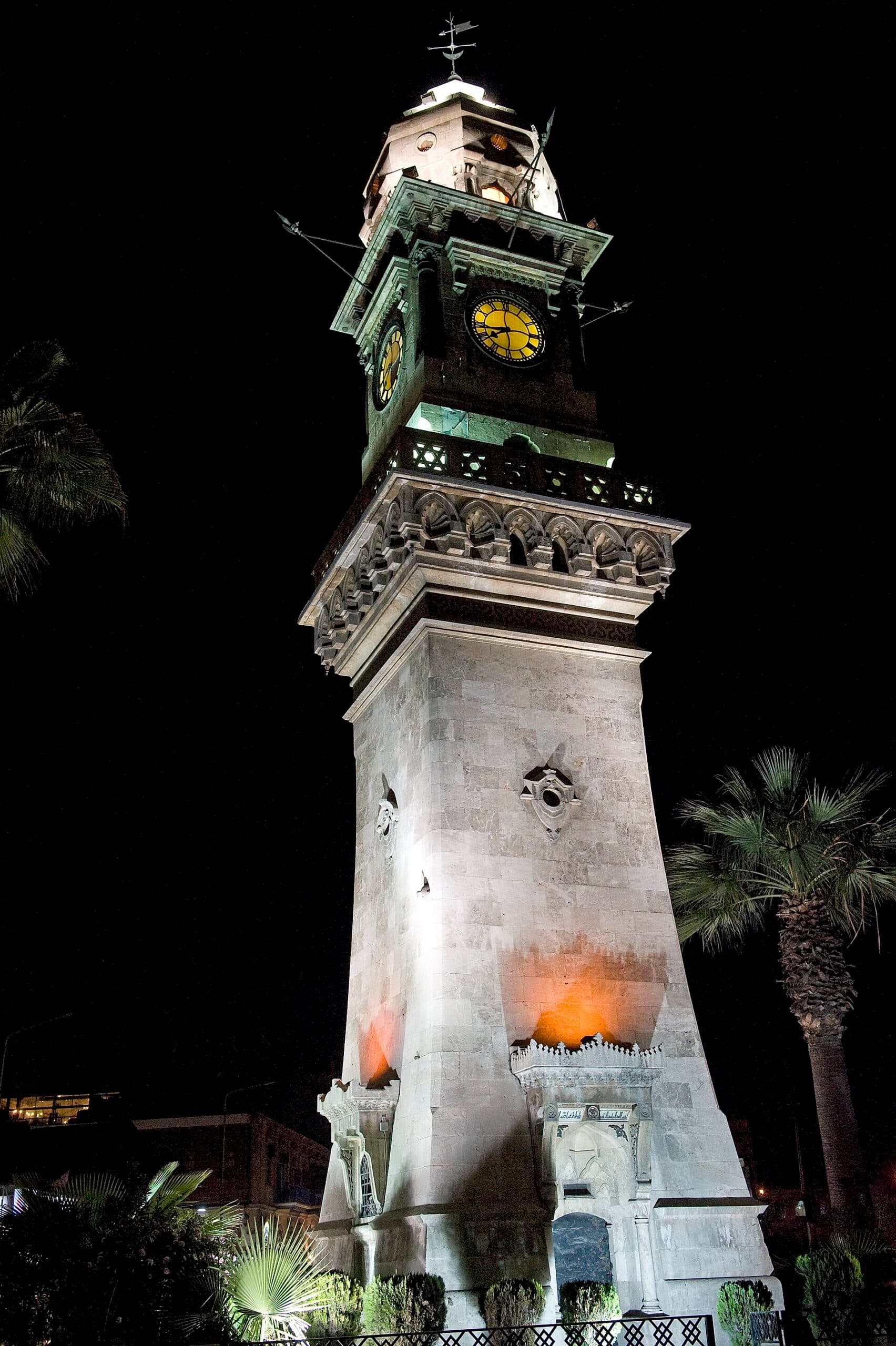
Bab al-Faraj Clock Tower
The Ottoman clock tower raised in 1898-1899 at the centre of Bab al-Faraj square: 28 metres, four dials, a muqarnas balcony, and a clock running again.
Aleppo · Ottoman
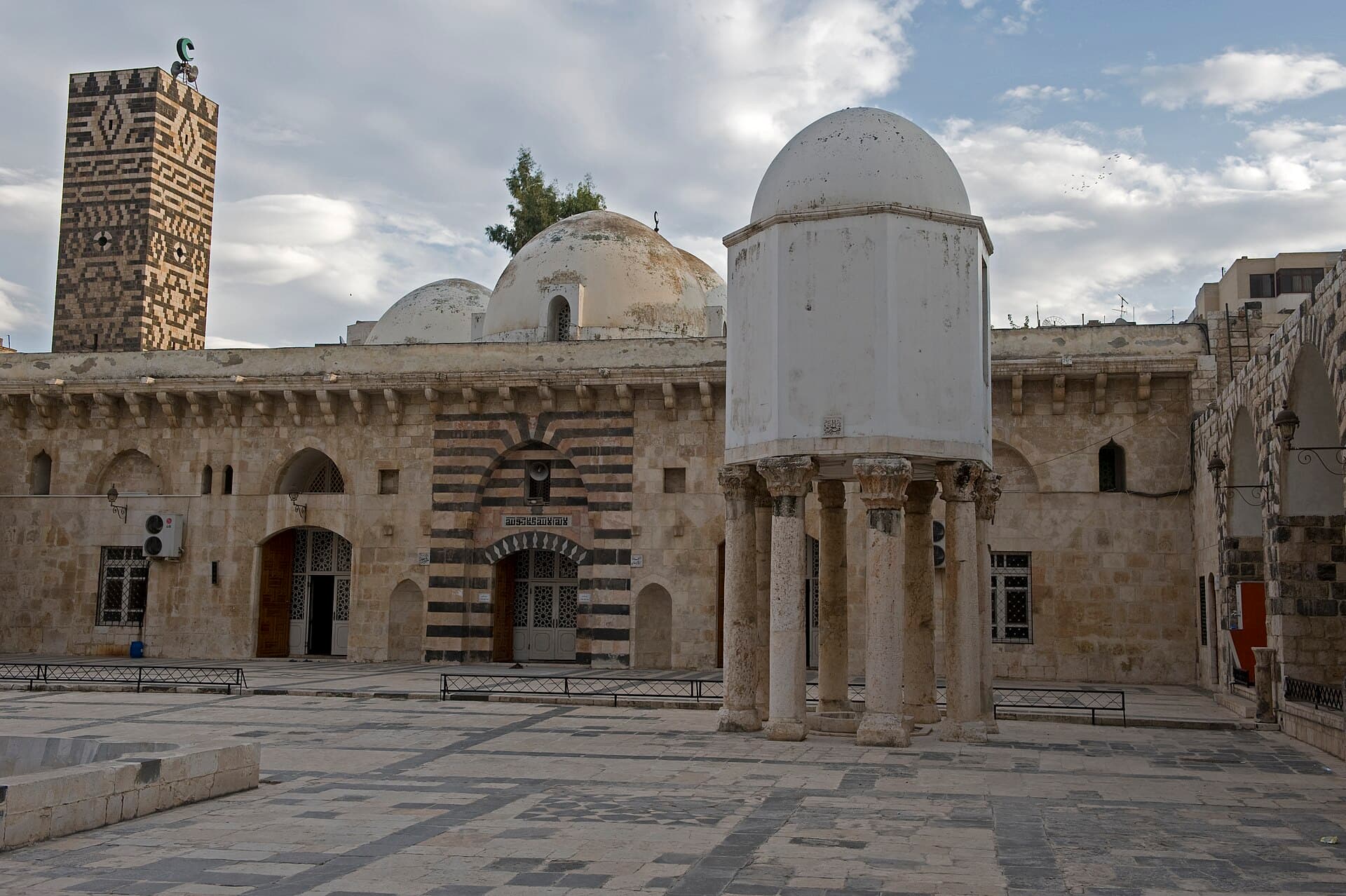
The Great Mosque of Hama
A Roman temple, then a church, then one of Syria’s earliest mosques. Levelled in 1982 and rebuilt by 2001 — the treasury pavilion still stands in the courtyard.
Hama · Roman temple — church — mosque; rebuilt after 1982
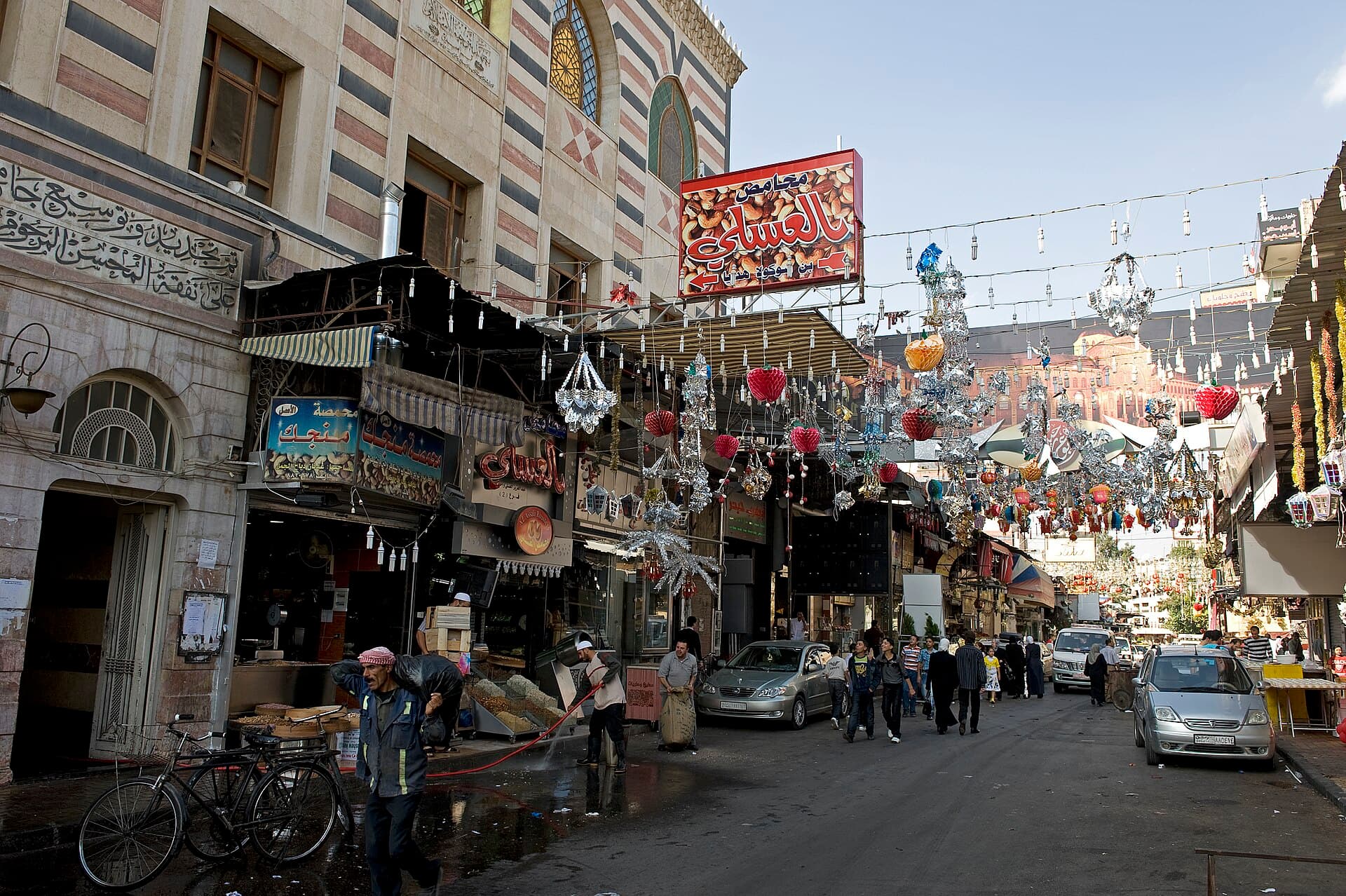
Al-Jazmatiyah Souk
The food street of the Midan quarter: named after Mamluk-era bootmakers, now a run of sweet shops and street-food stalls. In Ramadan it is the city’s kitchen.
Damascus · Mamluk to the present
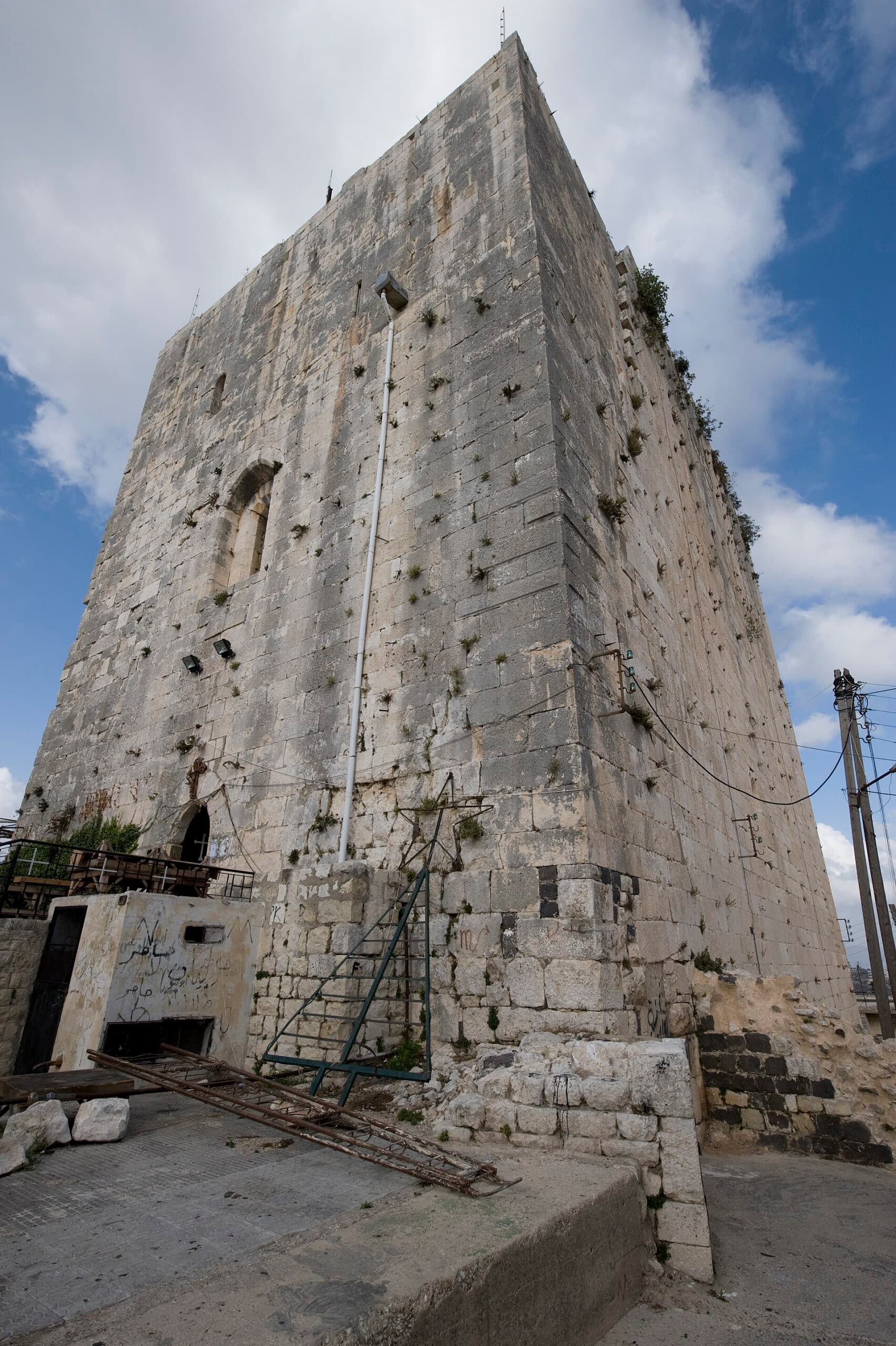
The White Tower of Safita
A Templar keep standing in a hill town east of Tartus. Its ground floor is a chapel still in use as a church, and the hall above was the military floor.
Tartus · Crusader — 12th–13th century
Amrit
A Phoenician city spread among olive groves south of Tartus. Its temple cella, standing in the middle of a rock-cut basin, has no equal in the region.
Tartus · Phoenician — Hellenistic